• Skip to primary navigation
  • Skip to main content
  • Skip to primary sidebar
  • Skip to footer
VISIT US IN LIVERMORE, CA
CALL NOW (925) 447-1729
The Ranch Pet Resort & Spa

The Ranch Pet Resort

Premium dog & cat boarding, dog daycare, play groups, dog & cat grooming, and more!

  • Pet Boarding
    • Dog Boarding
    • Cat Boarding
  • Dog Daycare
  • Dog Grooming
  • Dog Training
  • Reservations
  • Our Reviews
  • About Us
    • About Us
    • Blog
    • Reviews
  • Contact
    • Reservations
    • Our Location
    • Contact Us

Cat Care

The Silent Signs: Why Cats Hide Pain and How Early Detection Can Save Their Quality of Life

May 27, 2026 by Michelle Bedard

Cats are masters at hiding pain.

Unlike dogs, who often show obvious signs when something feels wrong, cats instinctively mask discomfort and illness. In the wild, showing weakness could make them vulnerable to predators. Even though our cats live safely in loving homes, that survival instinct remains deeply ingrained.

Unfortunately, this means many cat owners miss important warning signs until their beloved companion suddenly declines.

At The Ranch Pet Resort and Spa, we believe education is one of the greatest gifts we can give pet parents. If you have an aging cat, understanding subtle behavioral changes could make all the difference in helping them live a longer, healthier, and more comfortable life.

This topic is especially personal for us because many pet owners — even deeply attentive ones — don’t realize their cat has been suffering until the condition has significantly progressed. It can happen slowly and quietly, right in front of us.

Cats Rarely Cry Out for Help
One of the biggest misconceptions about cats is that they will “tell us” when they are hurting.

Most won’t.

Instead, pain often appears through tiny behavioral changes that are easy to dismiss as aging, moodiness, or personality shifts.

A cat suffering from arthritis, kidney disease, dental pain, digestive issues, or other chronic conditions may simply become quieter, more withdrawn, or behave differently around the home.

Some of the most common signs to watch for include:

  • Changes in eating habits
  • Weight loss or decreased appetite
  • Drinking more or less water
  • Changes in litter box habits
  • Difficulty jumping onto furniture
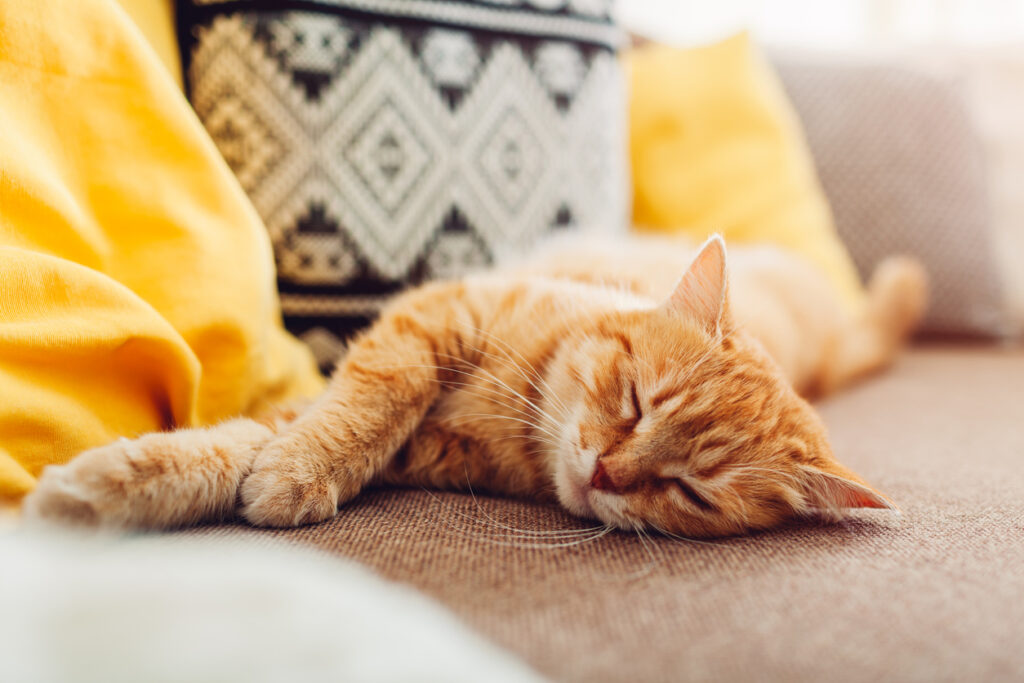
  • Sleeping more than usual
  • Hiding frequently
  • Avoiding interaction
  • Suddenly becoming clingier
  • Irritability or sensitivity when touched
  • Poor grooming or matted fur
  • Walking stiffly or more slowly

These changes may seem small at first, but together they can indicate your cat is struggling physically.

Joint Pain in Cats Is More Common Than People Realize

Many people associate arthritis and joint issues with dogs, but cats suffer from them too — especially as they age.

In fact, veterinary studies suggest that a large percentage of senior cats develop some degree of arthritis or degenerative joint disease.

The difficult part is that cats adapt incredibly well.

Instead of limping dramatically, they may simply:

  • Stop jumping to high places
  • Use stairs less often
  • Hesitate before moving
  • Sleep downstairs instead of upstairs
  • Become less playful
  • Avoid being picked up

Because these changes happen gradually, owners often interpret them as “just getting older” rather than signs of pain.

But aging itself is not a disease. Chronic discomfort should never simply be accepted as normal.

Your Cat’s Diet Matters More as They Age

As cats grow older, their nutritional needs begin to change.

Senior cats often become less active, which means they may require fewer calories to maintain a healthy weight. At the same time, aging organs — especially the kidneys and liver — may benefit from carefully balanced nutrition.

Many veterinarians recommend transitioning aging cats to senior-specific diets designed to:

  • Reduce excess calories
  • Support kidney function
  • Maintain healthy weight
  • Improve digestion
  • Support mobility and joint health

In some cases, lowering protein levels may be recommended depending on kidney health and veterinary guidance. However, because every cat is different, dietary changes should always be discussed with your veterinarian first.

Hydration also becomes increasingly important as cats age. Adding wet food or moisture-rich meals can help support kidney and urinary health.

Supplements Can Support Joint Health and Comfort

One of the most helpful things cat owners can explore is joint supplementation.

Today, there are many veterinarian-approved supplements designed specifically for aging cats that may help:

  • Reduce inflammation
  • Improve mobility
  • Support cartilage health
  • Ease stiffness
  • Increase comfort

Common ingredients include:

  • Glucosamine
  • Chondroitin
  • Omega-3 fatty acids
  • Green-lipped mussel
  • MSM
  • Hyaluronic acid

While supplements are not a cure, they can dramatically improve quality of life when introduced early.

The key is not waiting until mobility issues become severe.

Simple Changes That Help Aging Cats Thrive

Beyond medical care, small adjustments around the home can make a major difference for senior cats.

Consider:

  • Providing soft, orthopedic bedding
  • Using low-entry litter boxes
  • Adding pet stairs or ramps
  • Keeping food, water, and litter easily accessible
  • Brushing regularly if grooming becomes difficult
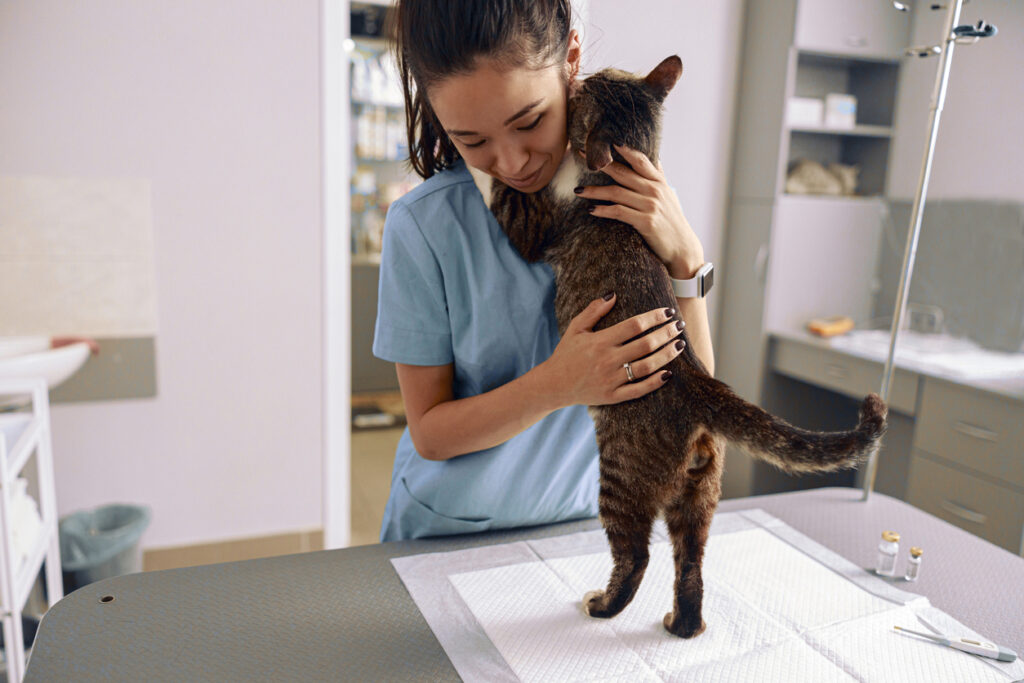
  • Scheduling more frequent veterinary exams

Most importantly, pay attention to subtle behavior changes.

You know your cat better than anyone else.

If something feels “off,” trust your instincts.

Early Detection Can Change Everything

One of the hardest realities for cat owners is realizing their pet may have been silently suffering for weeks or even months before symptoms became obvious.

And unfortunately, cats can deteriorate very quickly once illness progresses.

But early detection can significantly improve treatment outcomes, comfort, and overall quality of life.

Routine wellness exams, bloodwork, weight monitoring, and behavioral awareness are some of the most powerful tools we have to protect our aging feline companions.

A Final Thought From Our Hearts
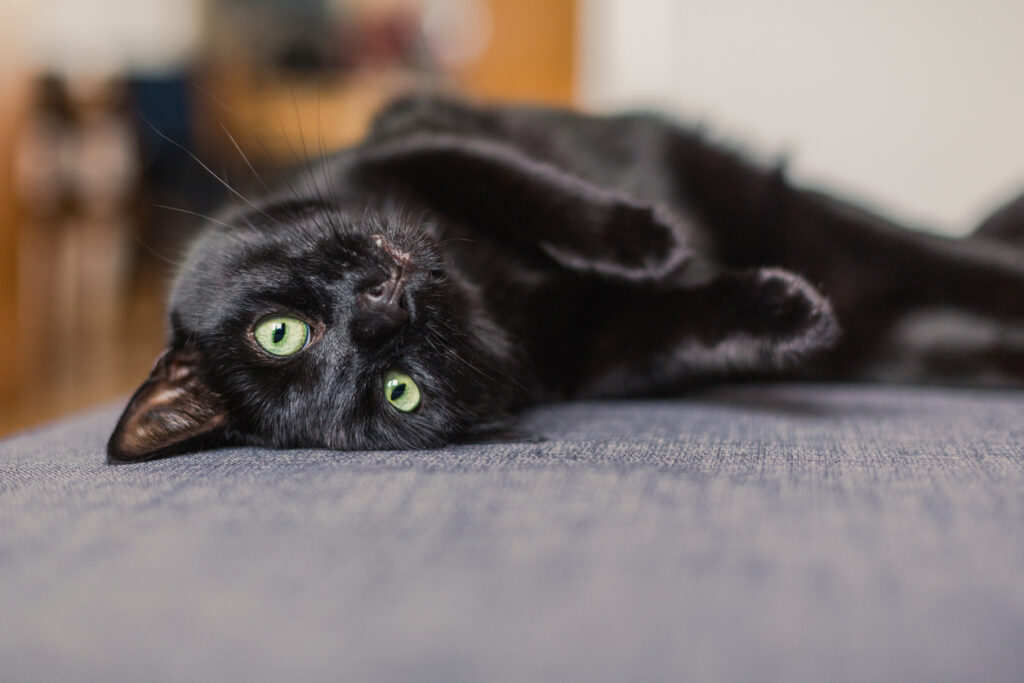
Cats are incredibly resilient creatures. They love quietly, suffer quietly, and often age quietly too.

That’s why they depend on us to notice the small things.

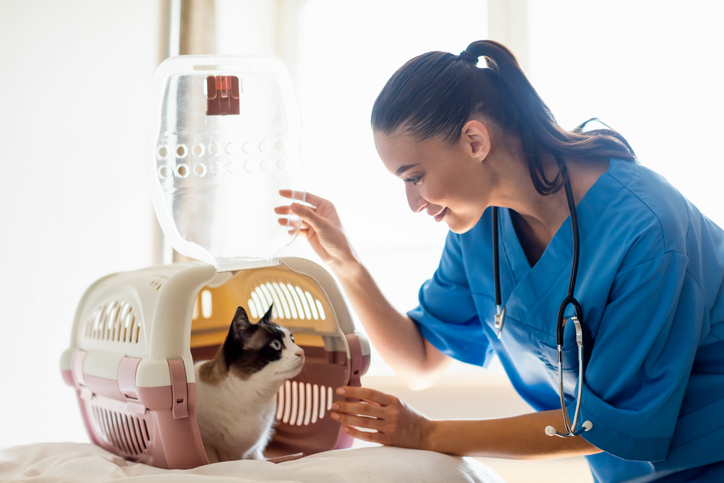
If your cat has been acting differently — even in ways that seem minor — don’t ignore those changes. A simple veterinary visit could uncover pain or illness before it becomes advanced.

At The Ranch Pet Resort and Spa, we know pets are family. And sometimes the greatest act of love is paying attention before the signs become impossible to miss.

Your awareness could give your cat more comfort, more time, and a better quality of life in their golden years.
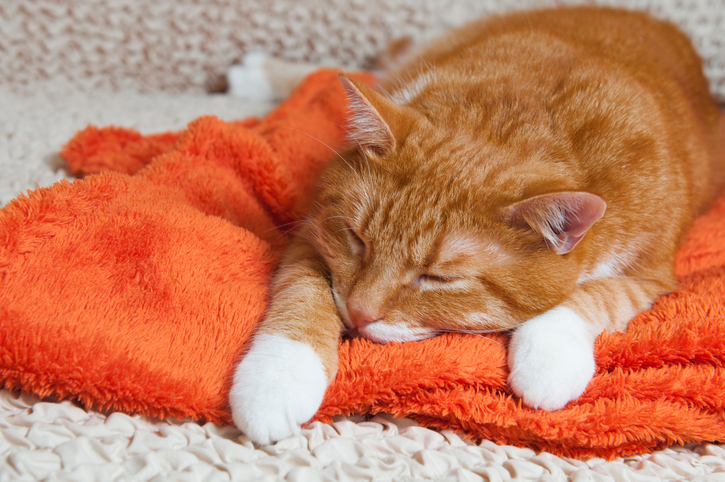
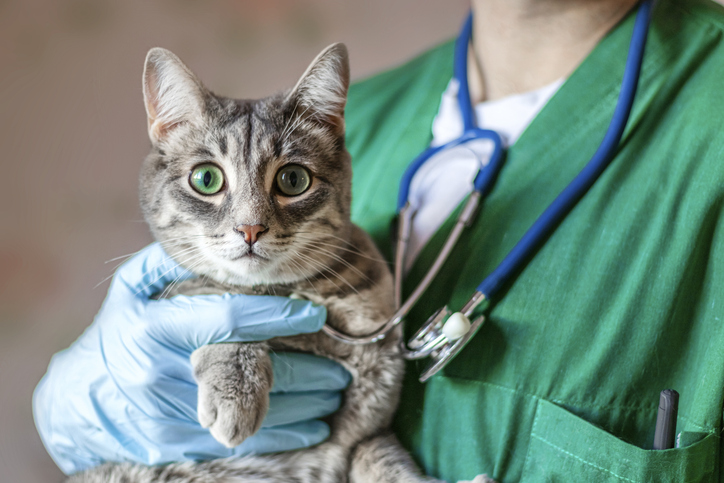
Filed Under: Cat Care, Pet Care, Pet Health and Safety Tips Tagged With: aging cat symptoms, aging cats, caring for senior cats, cat health tips, pet wellness, senior cat care

When “Something Feels Off”: Why Paying Attention to Your Pet Matters

February 24, 2026 by Michelle Bedard

Last night, I experienced something that every pet owner fears.

My older cats was sitting on my lap when his body began to twitch. One of his legs went limp. He collapsed against me. His heart was racing. His pupils were wide and dark. Then he just stared — almost through me.

I held him and stayed still until he slowly returned to himself.

If you’ve never witnessed a seizure in a cat, it is terrifying. And if you have, you know how helpless it feels.

What a Seizure in a Cat Can Look Like

Seizures in cats don’t always look dramatic. They can include:

  • Sudden twitching or jerking
  • Limp or rigid limbs
  • Collapse
  • Dilated pupils
  • Rapid heartbeat
  • Staring or seeming “absent”
  • Confusion afterward

Some seizures last seconds. Some last longer. Many cats appear disoriented after but then return to normal.

That return to “normal” can make owners question what just happened.

Why Would a Cat Have a Seizure?

Seizures are not a disease — they are a symptom. Something is triggering abnormal electrical activity in the brain.

Common causes can include:

  • Low blood sugar
  • Liver or kidney disease
  • Toxin exposure (household cleaners, plants, flea medications)
  • Head trauma
  • Brain inflammation
  • Epilepsy
  • Severe stress
  • Malnutrition or weight loss
  • Metabolic imbalances
  • Underlying infection

In my case, weight loss, vomiting, and stress were already signals that something wasn’t right. The seizure wasn’t random — it may have been the escalation of something ongoing.

When a Cat Is Thin and Vomiting

If a cat is losing weight and vomiting regularly, veterinarians often investigate:

  • Hyperthyroidism
  • Gastrointestinal disease
  • Food intolerance
  • Pancreatitis
  • Intestinal parasites
  • Chronic kidney disease
  • Stress-related digestive issues

Weight loss combined with seizures can point to metabolic or systemic causes that require lab work.

Stress Is Not “Just Stress”

Chronic stress in cats is serious.

If a dog is chasing, stalking, or intimidating a cat, even playfully, it can elevate stress hormones long-term. Chronic stress can affect appetite, immune function, digestion, and neurological stability.

Cats are highly sensitive to their environment. What looks manageable to us may feel threatening to them. In my case, Turkey had just moved twice in six months, had company, had to share his living quarters with a dog, and taken a long car ride from one state to the next.

While he has always been on the thin side, his bonier than usual appearance had me concerned. The seizure was the tipping point.

What To Do If Your Cat Has a Seizure

  1. Stay calm.
  2. Do not put your hands near their mouth.
  3. Remove nearby objects so they don’t injure themselves.
  4. Time the seizure.
  5. Keep the room quiet and dim.
  6. Call your veterinarian.

If a seizure lasts more than 2–3 minutes, or if multiple seizures occur close together, it is considered an emergency.

Even if your cat seems fine afterward, a veterinary exam and bloodwork are essential. Luckily, I was holding Turkey at the time and able to feel his heartbeat, watch his eyes, and measure how long he needed to recover, which will help our vet determine the root of the seizure.

Steps to Help Prevent Future Seizures

Prevention depends on identifying the cause. That usually involves:

  • Full physical exam
  • Blood panel
  • Thyroid testing
  • Kidney and liver evaluation
  • Blood glucose check
  • Possibly imaging (if needed)

At home, you can:

  • Reduce environmental stress (separate dog and cat spaces)
  • Provide vertical safe zones
  • Monitor eating and vomiting patterns
  • Weigh your cat weekly
  • Eliminate potential toxins
  • Feed consistent, high-quality nutrition
  • Keep a log of any unusual behavior

If seizures recur, veterinarians may prescribe anti-seizure medication depending on frequency and severity.

The Most Important Lesson

Subtle changes matter.

Weight loss. Vomiting. Hiding. Behavioral shifts. Stress. These are not “quirks.” They are data.

Your pet cannot tell you something feels wrong. You have to notice.

Last night scared me. But it also reminded me how important it is to trust your instincts and act early.

If your cat is acting oddly, thinner than usual, stressed, or vomiting frequently — don’t wait for something dramatic.

Pay attention.
Document it.
Call your vet.

Because sometimes what looks small… isn’t.


Filed Under: Cat Care, Cat Tips, Uncategorized Tagged With: cat health, cat seizures, cause of seizures in cats

Springtime Plants to Watch Out for: Toxic Greenery and Pet Safety

January 31, 2026 by Michelle Bedard

Spring is a season of fresh air, blooming flowers, and new growth—one that invites us and our pets outdoors more often. As gardens come back to life and homes fill with greenery, it’s also an important time for pet parents to be aware of plants that can be harmful to dogs and cats. Curious noses and playful chewing are common in spring, making plant safety especially important this time of year.

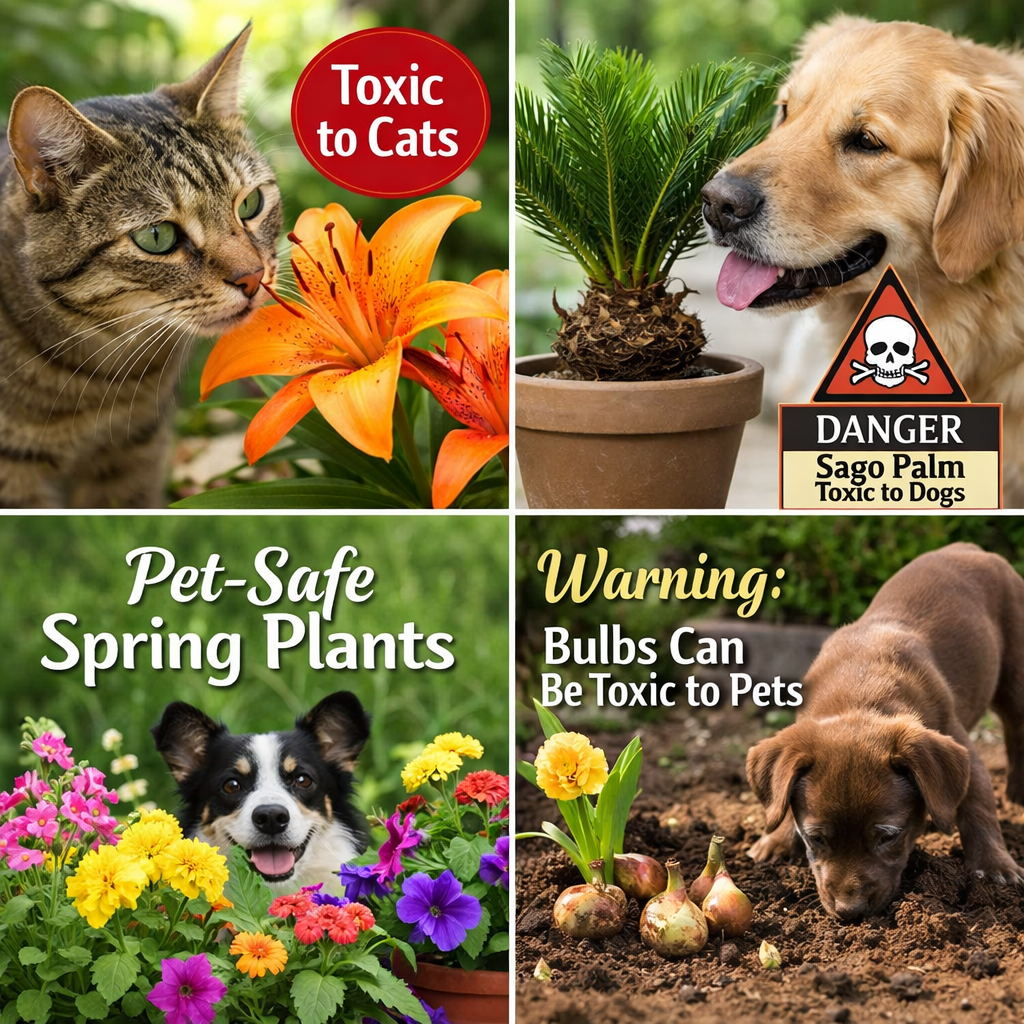
One of the most dangerous spring plants for pets is lilies. Often used in floral arrangements and Easter décor, many lily varieties are extremely toxic to cats. Even small exposure—such as licking pollen from their fur or drinking water from a vase—can lead to serious kidney failure. Cat households should avoid lilies altogether.

Another common spring landscaping plant to watch for is the sago palm. Popular in warmer climates, this plant is highly toxic to dogs. The seeds are particularly dangerous and can cause vomiting, liver failure, seizures, and in severe cases, death.

Spring houseplant refreshes can also introduce risk. Plants like pothos, philodendron, dieffenbachia (dumb cane), and snake plants are frequently added to homes this season. If chewed, they can cause mouth irritation, drooling, vomiting, and digestive upset. While reactions are often mild, they’re still uncomfortable for pets.

Outdoor gardens bloom with beauty in spring—but not all flowers are pet-safe. Oleander, azaleas, rhododendrons, and foxglove are highly toxic and can affect the heart and nervous system. Even a small nibble can lead to serious symptoms.

Spring yard care brings another hidden risk: fertilizers, pesticides, and mulch. Cocoa mulch, in particular, smells appealing to dogs but contains compounds similar to chocolate and can be toxic if ingested.

If you suspect your pet has ingested a toxic plant, contact your veterinarian or a pet poison helpline immediately. Acting quickly can make all the difference.

Spring Plants That Are Safer for Pets

The good news is that not all spring plants are off-limits for pet households. Many popular flowers and greenery can be enjoyed safely with a little planning. Pet-safe spring blooms include snapdragons, petunias, pansies, marigolds, sunflowers, and zinnias. These plants add seasonal color to gardens and patios without posing a risk if curious pets get a little too close.

For greenery, plants like Boston ferns, areca palms, spider plants, and prayer plants are generally considered safe for both dogs and cats. These are great options for refreshing your home during spring without worrying about accidental nibbling.

Are Spring Bulbs Safe for Pets?

When it comes to bulbs, extra caution is needed. Many spring bulbs are toxic, especially if dug up and chewed. Bulbs such as tulips, daffodils, hyacinths, crocus, and irises can cause vomiting, drooling, diarrhea, and in some cases more serious symptoms. The bulb itself is the most toxic part of the plant, and dogs are particularly at risk because they love to dig.

If you enjoy bulb plants, consider planting them in areas your pets can’t access, using raised planters, or choosing alternatives grown from seed instead of bulbs. Supervision during spring yard time is also important, especially for puppies and curious diggers.

A Simple Spring Safety Tip

Even with pet-safe plants, it’s best to discourage chewing whenever possible. Keep an eye on new plantings, rinse off fertilizers or treatments, and provide plenty of toys and enrichment so plants don’t become a temptation.

With thoughtful plant choices and a little awareness, spring can be a beautiful—and safe—season for pets to explore and enjoy.

At The Ranch Pet Resort and Spa, we’re especially mindful during springtime, ensuring our grounds remain safe as pets enjoy the season. With a little awareness, spring can be a joyful, worry-free time for both you and your furry companions.

Filed Under: Cat Care, Dog Care, Healthy and safety tips Tagged With: pet friendly plants, pet safety, spring pet safety, the ranch pet resort and spa, toxic plant for pets

Summer Safety Tips for Pets

July 18, 2025 by Michelle Bedard

Hot weather can be dangerous for our furry friends, and it’s always a good idea to keep reminding ourselves how to prevent our pets from heat exhaustion, an expensive vet visit, or worse.

Follow these simple tips to keep your pets cool, healthy, and safe this summer. Need a safe place for your dog to cool off like Boomer? Try our doggie daycare! We have the only water park in the East Bay meant for dogs!


1. Keep Pets Indoors

Pets can overheat quickly, just like people. When it’s hot, limit outdoor time—especially during the middle of the day—and make sure they have a cool space indoors with air conditioning or fans. Overheating can lead to serious health issues.


2. Never Leave Pets in the Car

Even on mild days, a parked car can become dangerously hot in minutes—even with the windows cracked. Every year, pets suffer or die from being left in cars. Always leave them at home where it’s safe and cool.


3. Visit the Vet

Schedule a check-up in spring or early summer. Make sure your pet is protected against fleas, ticks, and heartworm—these are more common in warmer months. A quick visit to the vet now can prevent bigger problems later.


4. Walk During Cooler Hours

Avoid walking dogs in the heat of the day. Early morning or late evening is best. Hot pavement can burn their paws, and they can overheat quickly. Always carry water and watch for signs of exhaustion like heavy panting or slowing down.


5. Provide Shade and Water

If your pet spends time outdoors, make sure they have plenty of fresh, clean water and a shady place to rest. Dehydration and heatstroke can come on fast in hot weather.


6. Know Heat-Sensitive Breeds

Some dogs—like Bulldogs, Pugs, and Shih Tzus—are more vulnerable to heat due to their short noses. Older pets, puppies, and overweight animals also need extra care. Watch them closely in warm weather.


7. Don’t Shave Their Coat

It may seem like shaving your pet will keep them cool, but their fur actually helps regulate body temperature. A light trim is fine, but don’t remove their coat entirely. When in doubt, talk to a groomer.


8. Avoid Stagnant Water

Swimming can be fun, but ponds or lakes with still water may contain toxic algae. Stick to clean water sources like sprinklers or running streams, and always rinse your pet after swimming—especially in saltwater.


9. Keep Pets Safe During Fireworks

Loud fireworks can frighten pets and cause them to run away. Keep pets indoors during celebrations, and make sure they have a quiet, safe place to hide. Check your yard for firework debris the next day.


10. Use Pet-Safe Sunscreen

Pets can get sunburn too, especially on hairless or lightly pigmented areas like the nose, ears, belly, and groin. Use sunscreen made for pets, and keep them out of direct sunlight during peak hours.


11. Avoid the Beach Unless Prepared

If you bring your pet to the beach, provide shade and lots of fresh water. Sand and saltwater can be harsh—rinse your pet off after swimming, and keep an eye out for signs of overheating.


12. Watch Out for Chemicals

Avoid letting pets walk on recently treated lawns or drink from puddles near sprayed areas. Also, check for coolant leaks from cars—antifreeze is sweet-tasting but deadly. Use pet-safe products whenever possible.


13. Keep ID Tags and Microchips Updated

If your pet gets scared and runs off, proper ID can help them get home. Make sure they wear a tag with current info and consider a microchip for added security.


14. Learn the Signs of Overheating

A relaxed Hungarian vizsla enjoys the cool shade of a table amidst vibrant greenery in a tranquil garden setting

Watch for heavy panting, drooling, vomiting, red or purple gums, or your pet lying down and refusing to move. These are signs of heat exhaustion or heatstroke—get them to a vet right away.


15. Cool Treats for Hot Days

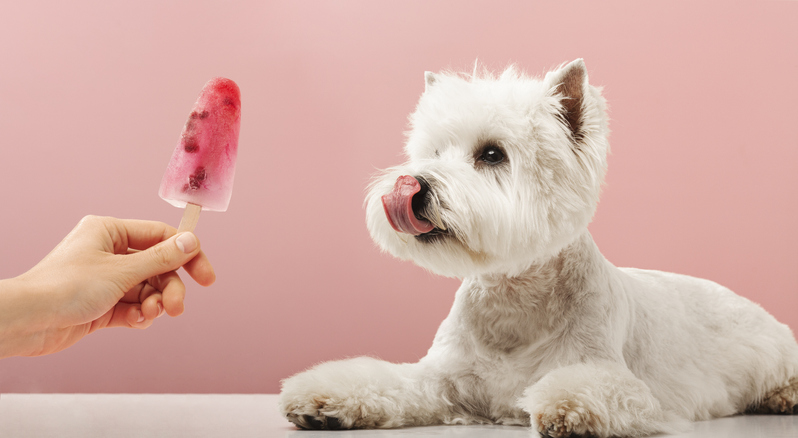
Make dog- or cat-friendly frozen treats at home using ingredients like peanut butter, broth, or wet food. These “pupsicles” or “catsicles” are a fun and easy way to help pets cool down.


Final Reminder:

If it’s too hot for you, it’s too hot for your pet. Keep them safe, cool, and hydrated all summer long—they depend on you!

Have a safe and healthy summer from all of us at The Ranch Pet Resort and Spa!


Filed Under: Cat Care, Dog Care, Healthy and safety tips, Pet Care, Pet Health and Safety Tips, Uncategorized Tagged With: cool pet treats, frozen pet treats, pet care, summer safety tips for pets

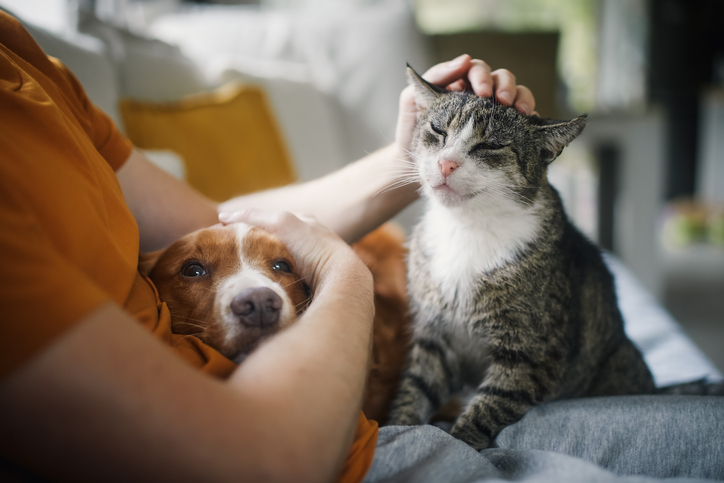
Benefits of Owning More than One Dog or Cat

April 23, 2025 by Michelle Bedard

Animal lovers such as this blogger find deep companionship in the company of multiple pets. When you rescue shelter pets, you become immune to the work, time, care, and expense that owning multiple pets requires.

So when I tell people how many dogs and cats I have, their expressions and comments vary from-I don’t know how you manage that many pets to you’re crazy-and that expression mostly comes from my kids.

It’s true that having more than one dog or cat is a lot more of everything! More work, more fur, more food, more waste, more money to spend on doggie daycare, boarding, grooming, veterinarian expenses and so forth.

But I find the real joy in multiple pet ownership outweighs any of the negatives.

Agree or not, here are some reasons for owning more than one dog or cat; and these reasons also benefit your dog or cat.

Why Owning More Than One Pet Is Worth It

Adopting more than one pet may require extra effort, but the rewards are well worth it. If your dog or cat enjoys the company of others, having a second pet can lead to a happier, healthier household for everyone—animals and humans alike. Pets benefit from companionship, and their owners often experience more joy and stronger emotional bonds.

Benefits for Pets: Companionship and Activity

One of the biggest advantages of having two pets is that they keep each other company. Whether you’re at work, asleep, or running errands, your pets can play, rest, or explore together. This helps reduce boredom and loneliness, which are common in single-pet homes.

Pets also tend to be more active when they have a playmate. Dogs will chase, wrestle, and run together, while cats may stalk and pounce as part of natural hunting behavior. This kind of interaction often leads to more daily exercise than a human alone can provide. Staying active is important for preventing health problems as pets age.

Each pet also brings its own personality to the household. One might be quiet and affectionate, while the other is playful and full of energy. This variety can be fun and rewarding for everyone in the home. Pets can also bond with different members of the family, strengthening connections all around.

Health Benefits for Owners

Pets aren’t just good for each other—they’re good for us, too. Owning a cat or dog has been linked to lower stress levels, reduced feelings of loneliness, and even improved heart health. When you pet or cuddle an animal, your body releases oxytocin (the “love hormone”) and reduces cortisol (the stress hormone). This can lead to lower blood pressure and a calmer mood.

Having two pets can double these moments of connection. Whether one is curled up next to you or both are playing across the room, it brings a steady sense of companionship. Pets can also help you stay more active. Dogs need walks and playtime, and even cats like to chase toys or explore, encouraging more movement and engagement in your daily life.

You might also find yourself more social with multiple pets. Animals often attract attention when you’re out and about, making it easier to meet new people. They’re natural conversation starters and can help you feel more connected to others.

Stronger Bonds and Lifelong Joy

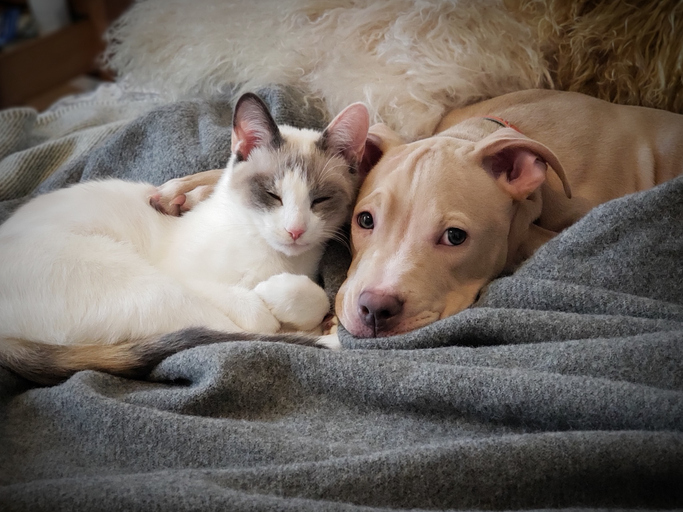
The bond between two pets can be heartwarming to witness. Watching them groom each other, curl up together, or play chase through the house adds joy to your home. Their friendship is pure and strong—and it often mirrors the bond they share with you.

Of course, adopting more than one pet means making sure they’re compatible. Introduce them gradually and provide separate spaces at first. With patience and care, most pets will adjust and learn to enjoy each other’s company.

In the end, having more than one dog or cat often means more laughter, love, and connection. Two pets can enrich each other’s lives—and yours—every single day.

Considering adding another dog or cat to your household? Visit your local shelter, rescue group, or responsible breeder.

Filed Under: Cat Care, Dog News, Rescue dogs, Uncategorized Tagged With: benbenefits of many pets, cat care, dog care, multiple pets

The Secret to Understanding Cat Behavior

October 23, 2024 by Michelle Bedard

Felines, the mysterious creatures that lure many of us to love them by their distinctive “meows,” head batting, or body rubs against us, are often misunderstood. So what is the secret to understanding cat behavior? Our professionals in charge of our cat boarding programs at The Ranch Pet Resort and Spa shared some insight with us.

Cats Really Do Like Their Owners

In the competitive war of dogs vs cats, cats are often criticized for being finicky and not liking their owners where dogs are stereotyped for liking everyone!

But studies show that cats really do love their owners, just as much as dogs love theirs. Cats tend to gravitate toward the voice of their owners, often seeking them out simply through the sounds their humans make (source).

Cat owners don’t need proof their fur babies like them and resist the notion that they are only used as a source for food. Ask any cat owner to share stories with you about their cat running toward them to greet them, snuggling up with them on a cold winter’s day, or jumping on their computer during a writing session to demand attention.

“Only dog people believe the notion that cats are merely calculating fur balls who manipulate humans for the sake of a fresh plate of pate’,” jokes Sammie, who works with our cats on a daily basis.

“Cats show affection in a more elegant manner,” states Michael Gamache, owner of The Ranch Pet Resort and Spa. “They are descendants of wild cats from Africa which were solitary cats. This is a stark contradiction from dogs who prefer to show their love and affection by bounding in wildly, jumping all over their owners and covering them with kisses.”

Cats Demonstrate their Anger by Purposely Vomiting in High-Traffic Areas

Cat owners commonly discuss the occurrence of cat vomit often left in high-traffic areas. Be it fur balls, blades of grass, or undigested food, cats tend to puke and leave it for their humans to find it.

But why do cats vomit? Dog owners swear the vomit is a means to show their disdain for their humans, the dog they share the home with, their dislike of the new food, or just to irritate anyone in their path.

Truth be told, cats often vomit because they are upset. “Behavioral disorders are influenced by the immune system, and the immune system is influenced by the gut,” says Dr. Carlo Siracusa of the University of Pennsylvania School of Veterinary Medicine. So while our cats can show how cantankerous they are, their vomitous misgivings are often due to feeling upset, depressed, misunderstood, abandoned, scared, nervous or any number of feelings.

“Pay particular attention to the frequency of the mess,” adds Michael. “We don’t want to dismiss a medical condition, but we also like to rule out behavioral reasons for our felines leaving a mess of saliva filled grass or food.”

Cats Retain Memories and Dream

Cat owners never doubted the intelligence of their felines. Dr. Siracusa does confer that cats retain memories and dream. This may explain why a cat is hesitant to be in a situation or place that he or she has had a bad experience, such as a carrier or the vet or the groomer. At the same time, they will also be open to reliving positive experiences such as special nap time with their preferred people or friends.

Watching a cat sleep often results in seeing their paws move back and forth in a running motion, viewing their mouths twitch much like they do when “talking” to birds, or suddenly jolting awake.

“Going over the day’s events and storing things in their memory banks,” is the source of dreams cites Karen Hiestand, clinical veterinarian of the University of Sussex. “There’s no reason to think their brains would work so differently to ours in that respect.”

Choose The Ranch Pet Resort and Spa for Your Cat Boarding Needs

The Ranch Pet Resort and Spa is known for our state-of-the-art cat boarding facilities. Our four-level cat accommodations come with all the comforts of home and plenty of space to perch, play, and relax.

Our fresh, bright cat room is separated from our canine guests for an atmosphere of peace and calmness kitties prefer.

Contact us today for all of your cat boarding needs!

Filed Under: Cat Care, Cat Tips, Uncategorized Tagged With: cat behavior, cat boarding, cat boarding livermore, cat dreams

  • Page 1
  • Page 2
  • Page 3
  • Page 4
  • Go to Next Page »

Primary Sidebar

Recent Posts

  • Keep Dogs and Cats Safe This Fourth of July: A Little Preparation Can Prevent a Big Heartbreak
  • Could Your Dog’s Favorite Toy Send Them to the Emergency Vet?
  • Summer Safety Tips for Dogs and Cats
  • The Silent Signs: Why Cats Hide Pain and How Early Detection Can Save Their Quality of Life
  • Summer Pool Pawty

Dog Boarding

Our exclusive brand new pet resort means you never worry about boarding your pet!
Click Here

Dog Daycare

Playdates have never been more fun than at Dog Daycare!
Click Here

Footer

Contact Info

Address
4964 Tesla Rd.
Livermore, Ca 94550

Phone: (925) 447-1729

Email:
info@theranchpetresort.com

Hours of Operation

Mon – Fri : 7:00am – 7:00pm
Sat: 9:00am – 3:00pm
Sun: Closed

Holiday Hours

Unlike other pet care options, come rain or shine, 365 days a year, we have staff here caring for our furry guests in our state-of-the-art, secure facility.

Newsletter

Stay up-to-date with events and announcements!

Copyright © 2026 The Ranch Pet Resort
FacebookInstagram
LocationPrivacyTermsContact