• Skip to primary navigation
  • Skip to main content
  • Skip to primary sidebar
  • Skip to footer
VISIT US IN LIVERMORE, CA
CALL NOW (925) 447-1729
The Ranch Pet Resort & Spa

The Ranch Pet Resort

Premium dog & cat boarding, dog daycare, play groups, dog & cat grooming, and more!

  • Pet Boarding
    • Dog Boarding
    • Cat Boarding
  • Dog Daycare
  • Dog Grooming
  • Dog Training
  • Reservations
  • Our Reviews
  • About Us
    • About Us
    • Blog
    • Reviews
  • Contact
    • Reservations
    • Our Location
    • Contact Us

Blog

Keep Dogs and Cats Safe This Fourth of July: A Little Preparation Can Prevent a Big Heartbreak

June 30, 2026 by Michelle Bedard

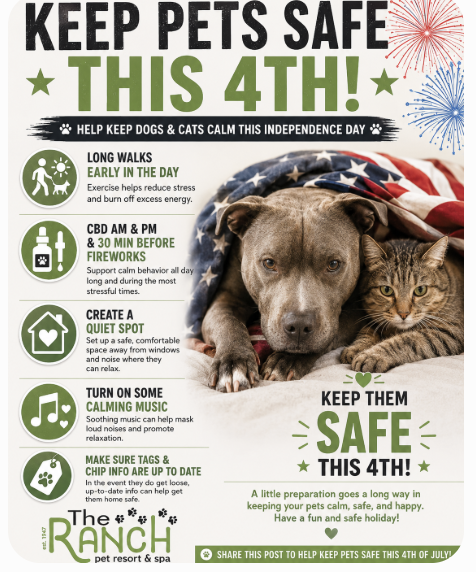
For many of us, the Fourth of July means backyard barbecues, fireworks, and celebrating with family and friends. For our pets, however, it can be one of the most frightening days of the entire year. While we look forward to the celebrations, dogs and cats often experience overwhelming anxiety from the loud booms, flashing lights, unfamiliar visitors, and changes to their normal routine.

Every year, shelters across the country report a significant increase in lost pets immediately following Independence Day. Frightened dogs can jump fences they have never attempted before, slip out of collars during a walk, or bolt through an open front door in a panic. Cats, although less likely to run outdoors, often hide in dangerous places inside the home or escape through an accidentally opened door while guests are coming and going.

The good news is that with a little planning, you can help your furry family members stay calm, comfortable, and safe throughout the holiday.

Exercise Early in the Day

A tired pet is often a calmer pet. If you have a dog, plan for a long walk, hike, or energetic play session early in the day before temperatures rise and before fireworks begin. Physical exercise helps burn excess energy while providing healthy mental stimulation.

Cats benefit from activity, too. Spend extra time playing with feather toys, laser pointers, or puzzle feeders. Interactive play helps reduce stress and gives indoor cats an outlet for their natural hunting instincts.

Create a Safe Retreat

When fireworks begin, many pets instinctively search for a quiet place to hide. Instead of letting them scramble to find one, prepare a safe space before the evening starts.

Choose a quiet room away from windows and exterior doors. Close the blinds or curtains to block flashes of light, and consider using white noise, a fan, television, or calming music to help mask the sounds outside.

Add familiar blankets, favorite toys, comfortable bedding, and fresh water to create a relaxing environment where your pet feels secure.

If your dog prefers a crate, leave the door open so they can enter voluntarily. If your cat likes hiding under a bed or inside a covered cat cave, allow them to use those familiar spaces.

Keep Pets Indoors

Even pets that spend time outside regularly should remain indoors during fireworks.

Make sure all doors, gates, and windows are securely closed before festivities begin. If you’re hosting friends and family, remind guests to be mindful whenever entering or leaving the house.

A single moment of panic is all it takes for a frightened pet to escape.

Update Identification

One of the simplest ways to protect your pet is also one of the most important.

Before the holiday, check that:

  • Collar tags are attached securely.
  • Your phone number is current.
  • Your address is up to date.
  • Your pet’s microchip information has been registered and updated.

If the unexpected happens, current identification dramatically increases the chances of your pet finding their way back home.

Talk to Your Veterinarian About Anxiety

Some pets experience mild nervousness, while others suffer from severe fear during fireworks.

If your dog or cat has struggled in previous years, don’t wait until the evening of July 4th to seek help. Your veterinarian may recommend calming supplements, pheromone products, anxiety wraps, prescription medications, or other options based on your pet’s individual needs.

Starting a calming routine earlier in the day often provides the best results.

Never Bring Pets to Fireworks Displays

Although it may seem fun to include your pet in holiday festivities, fireworks shows are simply too overwhelming for most animals.

The combination of loud explosions, unfamiliar people, unusual smells, flashing lights, and crowded environments can quickly become frightening and dangerous.

Your dog or cat will almost always be happier spending the evening safely indoors.

Watch for Signs of Stress

Not every pet shows anxiety in the same way.

Dogs may:

  • Pace or tremble
  • Pant excessively
  • Bark or whine
  • Hide
  • Attempt to escape

Cats often:

  • Hide for long periods
  • Stop eating
  • Become unusually quiet
  • Refuse to come out
  • Show changes in litter box habits

Recognizing these signs early allows you to comfort your pet before their anxiety escalates.

Boarding May Be the Best Option

If your neighborhood experiences frequent fireworks or you’ll be away from home, boarding your pet at a trusted facility may provide a quieter, more secure environment.

Professional caregivers can monitor your pet throughout the evening, maintain their normal routine, and provide comfort during stressful moments. For many pets, staying somewhere safe and supervised is far less frightening than being home alone during hours of fireworks.

Celebrate Safely Together

The Fourth of July should be filled with happy memories—not a frantic search for a missing pet.

By exercising your pets early, creating a peaceful retreat, keeping identification current, and planning ahead, you can greatly reduce their stress while protecting them from unnecessary danger.

At The Ranch Pet Resort & Spa, we know your pets are family, and their safety is always our highest priority. We hope these simple tips help both you and your furry companions enjoy a calmer, safer Independence Day together.

Have a wonderful Fourth of July, and give your dogs and cats an extra cuddle from all of us at The Ranch Pet Resort & Spa!

Filed Under: Holidays, Pet Care, Pet Health and Safety Tips Tagged With: fireworks, pet safety, pet safety for the holidays, pet safety tips

Could Your Dog’s Favorite Toy Send Them to the Emergency Vet?

June 23, 2026 by Michelle Bedard

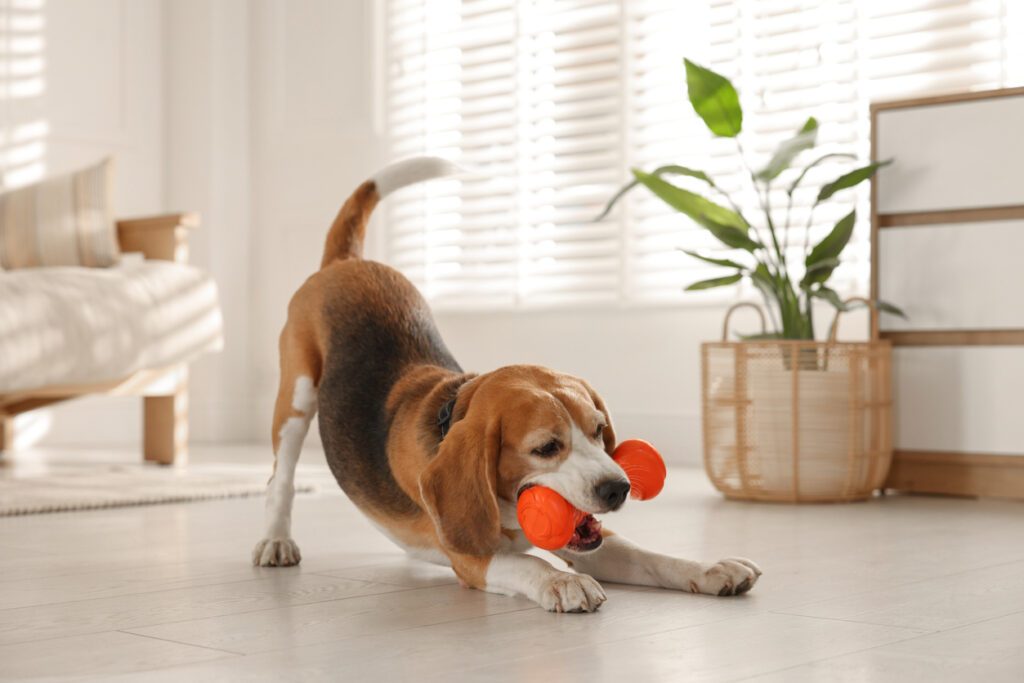
All good dog owners have a basket full of toys sitting somewhere in their home, and while those toys provide entertainment, exercise, and mental stimulation, many pet parents are surprised to learn that some of the most popular dog toys on the market can also pose serious health risks. In fact, veterinarians regularly treat dogs for broken teeth, choking incidents, and intestinal blockages caused by toys that seemed perfectly safe at first glance.

As pet owners, we want our dogs to have fun, stay active, and enjoy playtime, but understanding the potential dangers of certain toys can help prevent an unexpected trip to the emergency veterinarian and save your dog from unnecessary pain and discomfort.

Beware of Tooth Fractures Caused by Toys

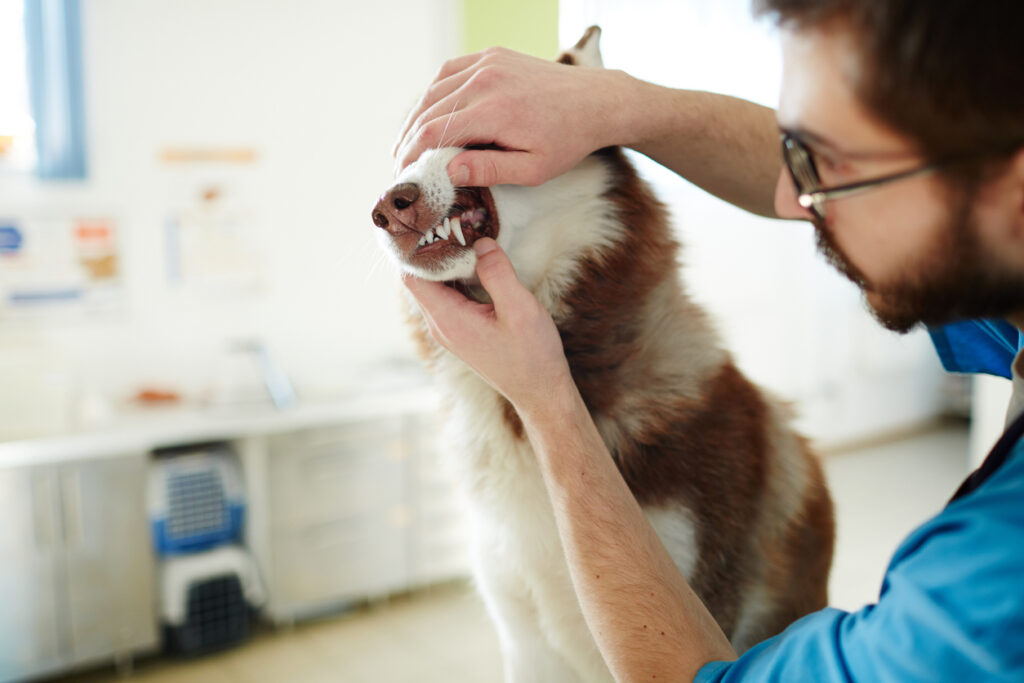
One of the most common toy-related injuries veterinarians see is fractured teeth. Dogs naturally love to chew, and many owners purchase hard chew toys believing they are helping satisfy that instinct. Unfortunately, some of the hardest toys can actually damage a dog’s teeth. Antlers, animal bones, hooves, hard nylon chews, and some hard plastic toys may seem durable, but they can be tough enough to crack or fracture a tooth when a dog bites down with force.

A good rule many veterinarians recommend is the “kneecap test.” If you wouldn’t want the toy thrown directly at your kneecap because it would hurt, the toy may be too hard for your dog’s teeth. While that may sound like a simple guideline, it helps many pet owners quickly identify toys that could potentially cause dental injuries.

Broken teeth are not only painful, but they can also lead to infections, difficulty eating, and expensive dental procedures. Because dogs are incredibly good at hiding pain, many owners don’t realize there is a problem until the damage has become severe.

Tennis Ball Troubles

Another surprising culprit is the standard tennis ball. Most dogs love chasing and chewing tennis balls, but traditional tennis balls were designed for tennis courts, not canine teeth. As dogs chew and carry these balls around, dirt, sand, and debris can become trapped in the fuzzy outer surface. Over time, that rough surface can act almost like sandpaper against a dog’s teeth, gradually wearing them down.

Many pet supply companies now offer dog-specific tennis balls that are made with safer materials and are designed specifically for canine play. These products can be a better option for dogs who love to fetch but also enjoy chewing on their toys between throws.

Protect Your Dog Against Choking Hazards

Choking hazards are another serious concern when selecting toys for your dog. A toy that is too small can quickly become lodged in a dog’s throat, especially if they become excited during play. Even larger toys can become dangerous if pieces begin to break off.

Some of the most common choking hazards include:

• Small balls and toys that can fit entirely inside a dog’s mouth

• Detached squeakers from plush toys

• Broken rubber toy pieces

• Rope toy strands that unravel

• Cracked plastic fragments

Warning Signs!

If your dog suddenly begins gagging, coughing, pawing at their mouth, drooling excessively, or struggling to breathe, seek veterinary attention immediately. These symptoms could indicate a choking emergency that requires prompt treatment.

Beyond choking risks, swallowed toy pieces can create even more serious complications. Dogs are naturally curious and often use their mouths to explore the world around them. Unfortunately, that curiosity can sometimes lead to swallowing pieces of toys that are not meant to be ingested.

Veterinarians frequently remove items such as rubber fragments, plush stuffing, squeakers, rope fibers, and small toy parts from dogs that have developed intestinal blockages. These obstructions can prevent food and water from moving through the digestive system and may require emergency surgery to correct.

Signs that your dog may have swallowed part of a toy include:

• Vomiting

• Loss of appetite

• Lethargy

• Constipation

• Abdominal discomfort

• Restlessness

• Changes in normal behavior

If you suspect your dog has swallowed a foreign object, it is always best to contact your veterinarian right away. Waiting too long can allow the situation to become more serious and may reduce treatment options.

Proactive Safety Measures

One of the easiest ways to protect your dog is to inspect their toys regularly. Even toys that were once safe can become dangerous after weeks or months of chewing. Dogs with powerful jaws can quickly damage toys that seemed indestructible when they were first purchased.

Take a few minutes every week to look for cracks, loose parts, missing pieces, sharp edges, frayed rope strands, or signs of excessive wear. If a toy appears damaged, it’s time to replace it. While it may feel wasteful to throw away a favorite toy, replacing it is far less costly than an emergency veterinary visit.

When shopping for toys, choose products that are appropriate for your dog’s size, age, and chewing habits. What works well for a small senior dog may not be suitable for a young, powerful chewer. Supervision is also important, especially when introducing a new toy. Spending a few minutes observing how your dog interacts with a toy can help you identify potential concerns before an accident occurs.

Dogs Just Want to Have Fun!

At the end of the day, toys play an important role in keeping dogs happy, active, and mentally stimulated. The goal isn’t to eliminate playtime but rather to make informed choices that keep our furry family members safe. By selecting toys carefully, inspecting them regularly, and replacing damaged items promptly, you can help reduce the risk of broken teeth, choking incidents, and intestinal blockages.

After all, the last thing any pet parent wants is for a favorite toy to become the reason for an unexpected trip to the emergency veterinarian.

Filed Under: Pet Care, Pet Health and Safety Tips Tagged With: dog chew toys, dog toys, pet safety

Summer Safety Tips for Dogs and Cats

June 5, 2026 by Michelle Bedard

Summer is a wonderful time for outdoor adventures, family vacations, and longer days in the sunshine. While we enjoy the warmer weather, it’s important to remember that dogs and cats can be especially vulnerable to heat-related illnesses and seasonal hazards.

A few simple precautions can help keep your pets safe, comfortable, and healthy all summer long.

Watch for Signs of Heat Exhaustion

Dogs and cats can overheat quickly, especially during hot afternoons. Unlike people, pets cannot cool themselves efficiently through sweating.

Common signs of heat exhaustion include:

  • Excessive panting
  • Drooling
  • Lethargy
  • Weakness
  • Vomiting
  • Bright red gums
  • Difficulty breathing

If you notice any of these symptoms, move your pet to a cool area immediately, offer fresh water, and contact your veterinarian.

Never Leave Pets in a Parked Car

Even on a mild day, the temperature inside a parked vehicle can rise dangerously within minutes.

Cracking the windows does not provide enough ventilation to keep pets safe. Leaving your dog or cat in a parked car can quickly lead to heatstroke, organ failure, or death.

When running errands, leave your pets safely at home whenever possible.

Protect Their Paws

Sidewalks, asphalt, and artificial turf can become extremely hot during summer months.

A simple test is to place the back of your hand on the pavement for seven seconds. If it’s too hot for your hand, it’s too hot for your pet’s paws.

Consider:

  • Walking early in the morning
  • Choosing shaded paths
  • Using protective paw balm
  • Walking on grass whenever possible

Keep Fresh Water Available

Hydration is critical during hot weather.

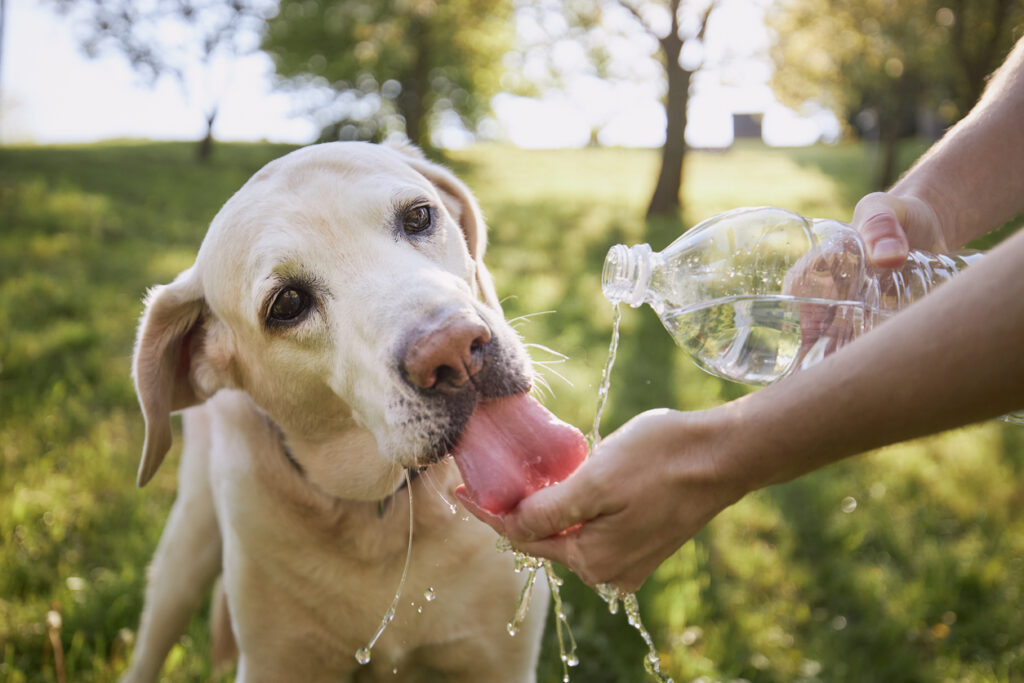
Make sure your pet has access to clean, cool water throughout the day. When traveling or hiking, bring a portable water bowl and offer frequent water breaks.

Adding extra water to meals can also help increase hydration.

Be Careful Around Pools and Water

Many dogs enjoy swimming, but not all pets are natural swimmers.

If your pet spends time around a pool, lake, or river:

  • Supervise them at all times
  • Introduce water gradually
  • Consider a pet life jacket
  • Rinse off chlorine or lake water after swimming

Cats can also accidentally fall into pools, so ensure they have a safe way to exit if needed.

Watch Out for Summer Plants and Chemicals

Summer often means more gardening and lawn care.

Many common products can be harmful to pets, including:

  • Fertilizers
  • Weed killers
  • Insecticides
  • Cocoa mulch

Some plants can also be toxic, including lilies, sago palms, and certain flowering shrubs.

Store all chemicals securely and research plants before adding them to your yard.

Protect Against Fleas, Ticks, and Mosquitoes

Warm weather creates the perfect environment for pests.

Fleas, ticks, and mosquitoes can transmit diseases and cause significant discomfort.

Talk with your veterinarian about the best preventive products for your pet and inspect your dog or cat regularly after spending time outdoors.

Provide Plenty of Shade

If your pet spends time outside, make sure they always have access to:

  • Shade
  • Fresh water
  • A cool resting area

Never rely solely on a doghouse for cooling, as these structures can become extremely hot in direct sunlight.

Travel Safely With Pets

Summer vacations often include pets.

When traveling:

  • Secure pets with a seatbelt harness or carrier
  • Bring food, water, and medications
  • Pack vaccination records
  • Schedule regular breaks during long trips

Planning ahead helps ensure a safe and enjoyable journey for everyone.

Make Summer Fun and Safe

Summer offers countless opportunities to make memories with your pets. By taking a few extra precautions, you can help your dog or cat stay safe, healthy, and comfortable throughout the season.

Whether you’re enjoying a walk, a backyard barbecue, a road trip, or a day at the pool, keeping your pet’s safety in mind will help ensure a happy summer for the entire family.

Need a Safe Place for Your Dog This Summer?

dogs in swimming pool

At The Ranch Pet Resort and Spa, we provide a safe, supervised environment where dogs can play, socialize, and stay comfortable while you’re at work or away. From daycare and boarding to grooming and training, we’re here to help your pet enjoy every season.

Call us today at (925) 447-1729 to learn more about our services.

Filed Under: Uncategorized

The Silent Signs: Why Cats Hide Pain and How Early Detection Can Save Their Quality of Life

May 27, 2026 by Michelle Bedard

Cats are masters at hiding pain.

Unlike dogs, who often show obvious signs when something feels wrong, cats instinctively mask discomfort and illness. In the wild, showing weakness could make them vulnerable to predators. Even though our cats live safely in loving homes, that survival instinct remains deeply ingrained.

Unfortunately, this means many cat owners miss important warning signs until their beloved companion suddenly declines.

At The Ranch Pet Resort and Spa, we believe education is one of the greatest gifts we can give pet parents. If you have an aging cat, understanding subtle behavioral changes could make all the difference in helping them live a longer, healthier, and more comfortable life.

This topic is especially personal for us because many pet owners — even deeply attentive ones — don’t realize their cat has been suffering until the condition has significantly progressed. It can happen slowly and quietly, right in front of us.

Cats Rarely Cry Out for Help

One of the biggest misconceptions about cats is that they will “tell us” when they are hurting.

Most won’t.

Instead, pain often appears through tiny behavioral changes that are easy to dismiss as aging, moodiness, or personality shifts.

A cat suffering from arthritis, kidney disease, dental pain, digestive issues, or other chronic conditions may simply become quieter, more withdrawn, or behave differently around the home.

Some of the most common signs to watch for include:

  • Changes in eating habits
  • Weight loss or decreased appetite
  • Drinking more or less water
  • Changes in litter box habits
  • Difficulty jumping onto furniture
  • Sleeping more than usual
  • Hiding frequently
  • Avoiding interaction
  • Suddenly becoming clingier
  • Irritability or sensitivity when touched
  • Poor grooming or matted fur
  • Walking stiffly or more slowly

These changes may seem small at first, but together they can indicate your cat is struggling physically.

Joint Pain in Cats Is More Common Than People Realize

Many people associate arthritis and joint issues with dogs, but cats suffer from them too — especially as they age.

In fact, veterinary studies suggest that a large percentage of senior cats develop some degree of arthritis or degenerative joint disease.

The difficult part is that cats adapt incredibly well.

Instead of limping dramatically, they may simply:

  • Stop jumping to high places
  • Use stairs less often
  • Hesitate before moving
  • Sleep downstairs instead of upstairs
  • Become less playful
  • Avoid being picked up

Because these changes happen gradually, owners often interpret them as “just getting older” rather than signs of pain.

But aging itself is not a disease. Chronic discomfort should never simply be accepted as normal.

Your Cat’s Diet Matters More as They Age

As cats grow older, their nutritional needs begin to change.

Senior cats often become less active, which means they may require fewer calories to maintain a healthy weight. At the same time, aging organs — especially the kidneys and liver — may benefit from carefully balanced nutrition.

Many veterinarians recommend transitioning aging cats to senior-specific diets designed to:

  • Reduce excess calories
  • Support kidney function
  • Maintain healthy weight
  • Improve digestion
  • Support mobility and joint health

In some cases, lowering protein levels may be recommended depending on kidney health and veterinary guidance. However, because every cat is different, dietary changes should always be discussed with your veterinarian first.

Hydration also becomes increasingly important as cats age. Adding wet food or moisture-rich meals can help support kidney and urinary health.

Supplements Can Support Joint Health and Comfort

One of the most helpful things cat owners can explore is joint supplementation.

Today, there are many veterinarian-approved supplements designed specifically for aging cats that may help:

  • Reduce inflammation
  • Improve mobility
  • Support cartilage health
  • Ease stiffness
  • Increase comfort

Common ingredients include:

  • Glucosamine
  • Chondroitin
  • Omega-3 fatty acids
  • Green-lipped mussel
  • MSM
  • Hyaluronic acid

While supplements are not a cure, they can dramatically improve quality of life when introduced early.

The key is not waiting until mobility issues become severe.

Simple Changes That Help Aging Cats Thrive

Beyond medical care, small adjustments around the home can make a major difference for senior cats.

Consider:

  • Providing soft, orthopedic bedding
  • Using low-entry litter boxes
  • Adding pet stairs or ramps
  • Keeping food, water, and litter easily accessible
  • Brushing regularly if grooming becomes difficult
  • Scheduling more frequent veterinary exams

Most importantly, pay attention to subtle behavior changes.

You know your cat better than anyone else.

If something feels “off,” trust your instincts.

Early Detection Can Change Everything

One of the hardest realities for cat owners is realizing their pet may have been silently suffering for weeks or even months before symptoms became obvious.

And unfortunately, cats can deteriorate very quickly once illness progresses.

But early detection can significantly improve treatment outcomes, comfort, and overall quality of life.

Routine wellness exams, bloodwork, weight monitoring, and behavioral awareness are some of the most powerful tools we have to protect our aging feline companions.

A Final Thought From Our Hearts

Cats are incredibly resilient creatures. They love quietly, suffer quietly, and often age quietly too.

That’s why they depend on us to notice the small things.

If your cat has been acting differently — even in ways that seem minor — don’t ignore those changes. A simple veterinary visit could uncover pain or illness before it becomes advanced.

At The Ranch Pet Resort and Spa, we know pets are family. And sometimes the greatest act of love is paying attention before the signs become impossible to miss.

Your awareness could give your cat more comfort, more time, and a better quality of life in their golden years.

Filed Under: Cat Care, Pet Care, Pet Health and Safety Tips Tagged With: aging cat symptoms, aging cats, caring for senior cats, cat health tips, pet wellness, senior cat care

Summer Pool Pawty

May 13, 2026 by Michelle Bedard

Hurry and sign up! The Ranch Pet Resort and Spa’s opening summer pool pawty is in two days! With record temperatures hitting the 80’s 🌞, you’re gonna want your dog to be with all of the cool kids splashing, playing games, getting photos taken, and having pupsicles.

Our events draw the crowds, and if you are hesitating about signing up because you don’t think your dog will want to play in water, you might be surprised!

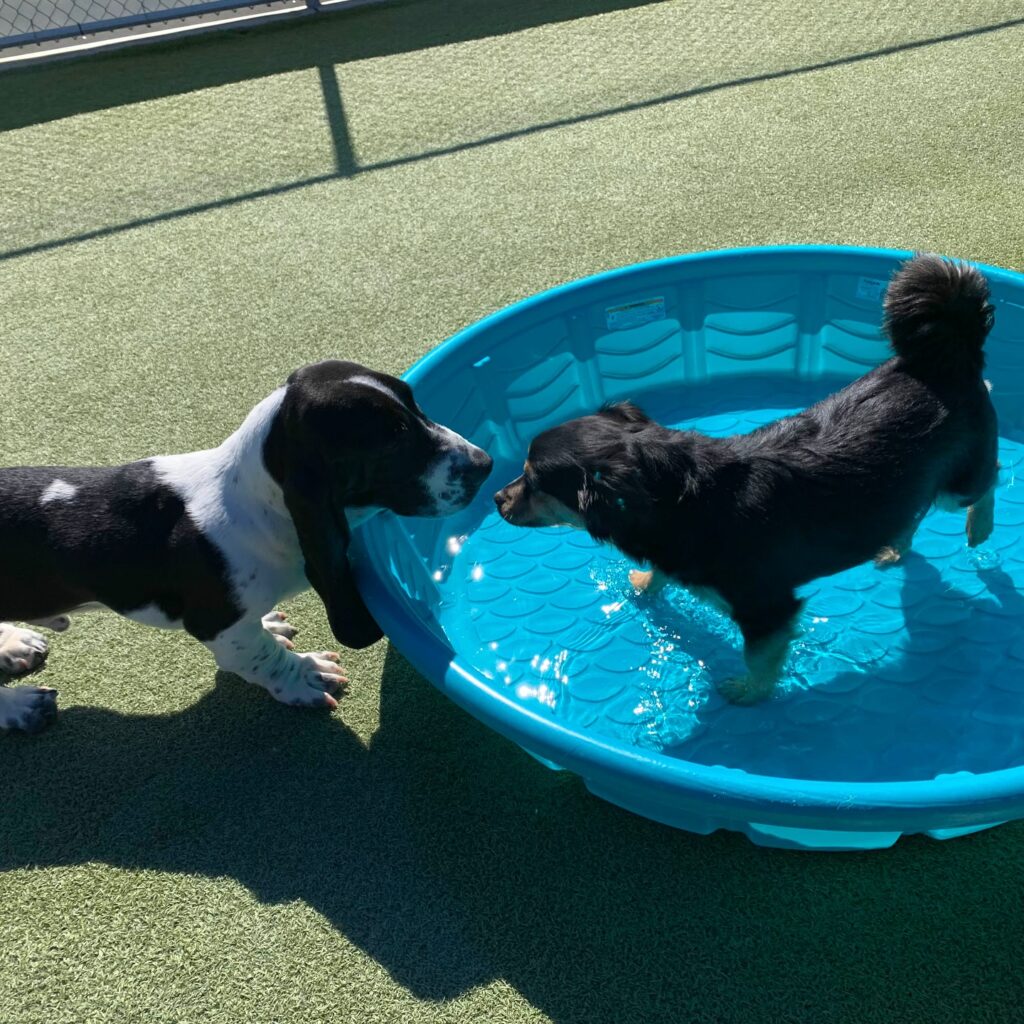
Take a look at these pups having the time of their lives in the East Bay’s only water splash pad!

Last Chance to Sign Up

Sign ups are filling up fast! Don’t miss out! Contact 925-447-1729. There is a $20 fee per dog to cover costs. That’s only two cups of coffee, a scone, and tip that you have to give up to pay for your dog to have a summer splash at The Ranch. Now look into your fur pup’s eyes and tell him he’s worth it!

Reserve your spot today! 925-447-1729.

Filed Under: Dog Events Tagged With: Dog boarding, dog fun, doggie daycare

National Adopt a Shelter Pet Day

April 30, 2026 by Michelle Bedard

April 30th is National Adopt a Shelter Pet Day. In recognition of the day, we’d like to give an update on Church, the labrador mix we featured in the summer, who needed a home. Church was on the euthanasia list at Stanislaus Animal Services due to overcrowding at the shelter and was fostered by one of our staffers.

When the staffer moved to another home, Church needed a temporary boarding facility until the staffer could reclaim him. The Ranch Pet Resort stepped up to temporarily board this sweet boy who had been displaced so many times.

Within a short time, another volunteer rescuer stepped up to foster Church. She allowed him the time he needed to decompress, a practice standard with all dogs who have been displaced. This time allows them to calm down, relax, feel safe, and show their true personality which they can’t do in a stressful shelter environment.

When Church was brought inside with his new foster, he showed his appreciation by wrapping his paws around her leg, putting his head on his new foster mom’s lap, and not leaving her side.

Church’s big brown eyes were more than the foster could take, and she did what many in fostering do-fail.

Church has now found a permanent home, and he and his foster mom are thrilled. The original foster, our staffer, is happy for Church and is on the lookout for another foster dog to call her own.

Shelter Pets Need You

Not all dogs have a happy ending. The sad truth is, the state of animal welfare in our country is dire. Animals are flooding the shelters all over the country due to overbreeding, neglect, a lack of available and affordable spay and neuter services, people losing housing, jobs, or having financial issues, and the thinking that animals are disposable.

Rescues are full and some have stopped taking in animals who need help. Adoptions are down. Yet, there are so many adoptable dogs and cats, pups, kittens, rabbits, birds, and farm animals that are waiting for someone to adopt them.

Shelters are flooded with every type of dog imaginable, from purebreds to puremutts, each deserving a home of their own.

Consider Foster or Adopting a Shelter Pet

If you have time and space in your home for a foster pet, please consider fostering the animal. The shelters or rescues provide you with all of the materials you need to temporarily care for the pet.

In return, you are helping ease the life of a shelter pet and conditioning it to become the best pet for someone else or you if you choose to adopt the pet.

The experience is truly rewarding! Contact your local shelter or rescue for more information.

Filed Under: Dog News, Rescue dogs Tagged With: adopt a pet, rescue animals, rescue pets, shelters

  • Page 1
  • Page 2
  • Page 3
  • Interim pages omitted …
  • Page 25
  • Go to Next Page »

Primary Sidebar

Recent Posts

  • Keep Dogs and Cats Safe This Fourth of July: A Little Preparation Can Prevent a Big Heartbreak
  • Could Your Dog’s Favorite Toy Send Them to the Emergency Vet?
  • Summer Safety Tips for Dogs and Cats
  • The Silent Signs: Why Cats Hide Pain and How Early Detection Can Save Their Quality of Life
  • Summer Pool Pawty

Dog Boarding

Our exclusive brand new pet resort means you never worry about boarding your pet!
Click Here

Dog Daycare

Playdates have never been more fun than at Dog Daycare!
Click Here

Footer

Contact Info

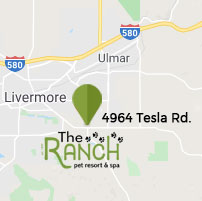
Address
4964 Tesla Rd.
Livermore, Ca 94550

Phone: (925) 447-1729

Email:
info@theranchpetresort.com

Hours of Operation

Mon – Fri : 7:00am – 7:00pm
Sat: 9:00am – 3:00pm
Sun: Closed

Holiday Hours

Unlike other pet care options, come rain or shine, 365 days a year, we have staff here caring for our furry guests in our state-of-the-art, secure facility.

Newsletter

Stay up-to-date with events and announcements!

Copyright © 2026 The Ranch Pet Resort
FacebookInstagram
LocationPrivacyTermsContact