• Skip to primary navigation
  • Skip to main content
  • Skip to primary sidebar
  • Skip to footer
VISIT US IN LIVERMORE, CA
CALL NOW (925) 447-1729
The Ranch Pet Resort & Spa

The Ranch Pet Resort

Premium dog & cat boarding, dog daycare, play groups, dog & cat grooming, and more!

  • Pet Boarding
    • Dog Boarding
    • Cat Boarding
  • Dog Daycare
  • Dog Grooming
  • Dog Training
  • Reservations
  • Our Reviews
  • About Us
    • About Us
    • Blog
    • Reviews
  • Contact
    • Reservations
    • Our Location
    • Contact Us

Pet Health and Safety Tips

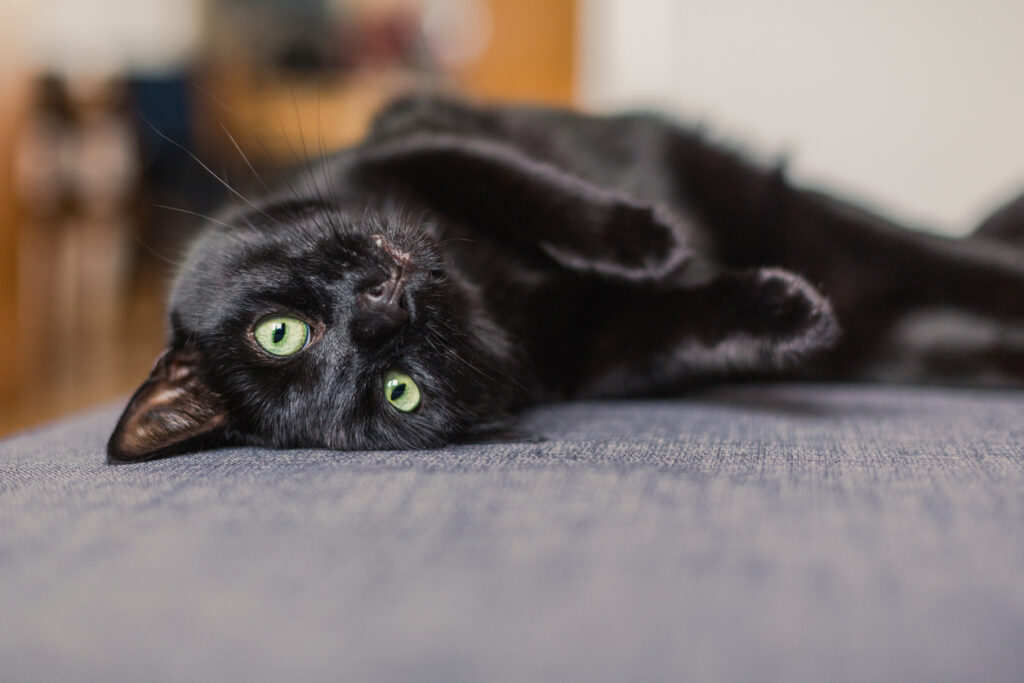
The Silent Signs: Why Cats Hide Pain and How Early Detection Can Save Their Quality of Life

May 27, 2026 by Michelle Bedard

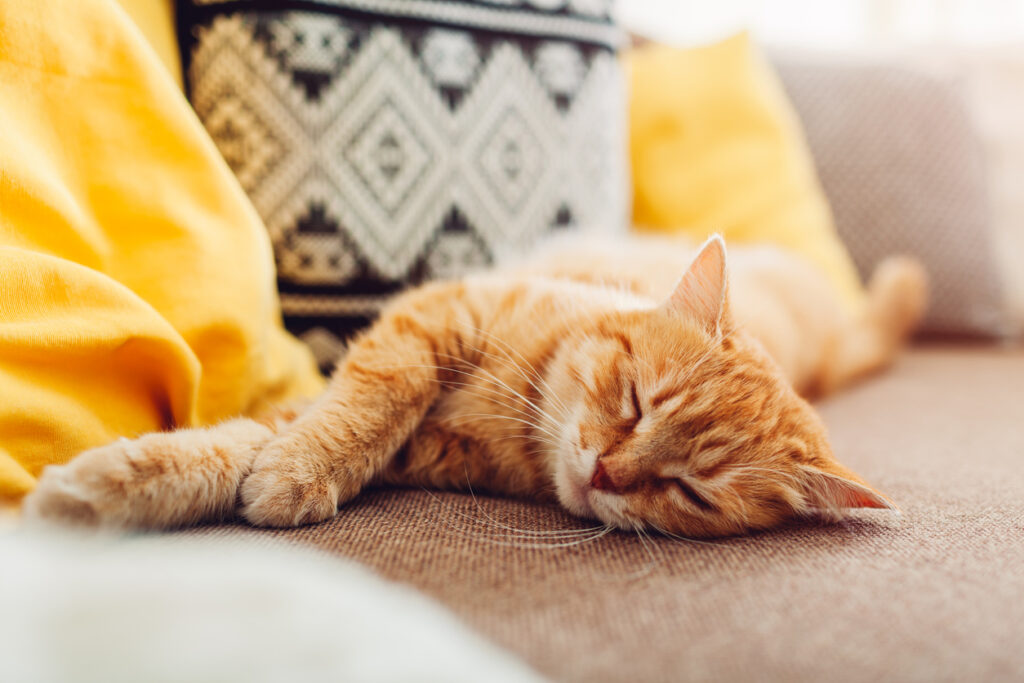
Cats are masters at hiding pain.

Unlike dogs, who often show obvious signs when something feels wrong, cats instinctively mask discomfort and illness. In the wild, showing weakness could make them vulnerable to predators. Even though our cats live safely in loving homes, that survival instinct remains deeply ingrained.

Unfortunately, this means many cat owners miss important warning signs until their beloved companion suddenly declines.

At The Ranch Pet Resort and Spa, we believe education is one of the greatest gifts we can give pet parents. If you have an aging cat, understanding subtle behavioral changes could make all the difference in helping them live a longer, healthier, and more comfortable life.

This topic is especially personal for us because many pet owners — even deeply attentive ones — don’t realize their cat has been suffering until the condition has significantly progressed. It can happen slowly and quietly, right in front of us.

Cats Rarely Cry Out for Help

One of the biggest misconceptions about cats is that they will “tell us” when they are hurting.

Most won’t.

Instead, pain often appears through tiny behavioral changes that are easy to dismiss as aging, moodiness, or personality shifts.

A cat suffering from arthritis, kidney disease, dental pain, digestive issues, or other chronic conditions may simply become quieter, more withdrawn, or behave differently around the home.

Some of the most common signs to watch for include:

  • Changes in eating habits
  • Weight loss or decreased appetite
  • Drinking more or less water
  • Changes in litter box habits
  • Difficulty jumping onto furniture
  • Sleeping more than usual
  • Hiding frequently
  • Avoiding interaction
  • Suddenly becoming clingier
  • Irritability or sensitivity when touched
  • Poor grooming or matted fur
  • Walking stiffly or more slowly

These changes may seem small at first, but together they can indicate your cat is struggling physically.

Joint Pain in Cats Is More Common Than People Realize

Many people associate arthritis and joint issues with dogs, but cats suffer from them too — especially as they age.

In fact, veterinary studies suggest that a large percentage of senior cats develop some degree of arthritis or degenerative joint disease.

The difficult part is that cats adapt incredibly well.

Instead of limping dramatically, they may simply:

  • Stop jumping to high places
  • Use stairs less often
  • Hesitate before moving
  • Sleep downstairs instead of upstairs
  • Become less playful
  • Avoid being picked up

Because these changes happen gradually, owners often interpret them as “just getting older” rather than signs of pain.

But aging itself is not a disease. Chronic discomfort should never simply be accepted as normal.

Your Cat’s Diet Matters More as They Age

As cats grow older, their nutritional needs begin to change.

Senior cats often become less active, which means they may require fewer calories to maintain a healthy weight. At the same time, aging organs — especially the kidneys and liver — may benefit from carefully balanced nutrition.

Many veterinarians recommend transitioning aging cats to senior-specific diets designed to:

  • Reduce excess calories
  • Support kidney function
  • Maintain healthy weight
  • Improve digestion
  • Support mobility and joint health

In some cases, lowering protein levels may be recommended depending on kidney health and veterinary guidance. However, because every cat is different, dietary changes should always be discussed with your veterinarian first.

Hydration also becomes increasingly important as cats age. Adding wet food or moisture-rich meals can help support kidney and urinary health.

Supplements Can Support Joint Health and Comfort

One of the most helpful things cat owners can explore is joint supplementation.

Today, there are many veterinarian-approved supplements designed specifically for aging cats that may help:

  • Reduce inflammation
  • Improve mobility
  • Support cartilage health
  • Ease stiffness
  • Increase comfort

Common ingredients include:

  • Glucosamine
  • Chondroitin
  • Omega-3 fatty acids
  • Green-lipped mussel
  • MSM
  • Hyaluronic acid

While supplements are not a cure, they can dramatically improve quality of life when introduced early.

The key is not waiting until mobility issues become severe.

Simple Changes That Help Aging Cats Thrive

Beyond medical care, small adjustments around the home can make a major difference for senior cats.

Consider:

  • Providing soft, orthopedic bedding
  • Using low-entry litter boxes
  • Adding pet stairs or ramps
  • Keeping food, water, and litter easily accessible
  • Brushing regularly if grooming becomes difficult
  • Scheduling more frequent veterinary exams

Most importantly, pay attention to subtle behavior changes.

You know your cat better than anyone else.

If something feels “off,” trust your instincts.

Early Detection Can Change Everything

One of the hardest realities for cat owners is realizing their pet may have been silently suffering for weeks or even months before symptoms became obvious.

And unfortunately, cats can deteriorate very quickly once illness progresses.

But early detection can significantly improve treatment outcomes, comfort, and overall quality of life.

Routine wellness exams, bloodwork, weight monitoring, and behavioral awareness are some of the most powerful tools we have to protect our aging feline companions.

A Final Thought From Our Hearts

Cats are incredibly resilient creatures. They love quietly, suffer quietly, and often age quietly too.

That’s why they depend on us to notice the small things.

If your cat has been acting differently — even in ways that seem minor — don’t ignore those changes. A simple veterinary visit could uncover pain or illness before it becomes advanced.

At The Ranch Pet Resort and Spa, we know pets are family. And sometimes the greatest act of love is paying attention before the signs become impossible to miss.

Your awareness could give your cat more comfort, more time, and a better quality of life in their golden years.

Filed Under: Cat Care, Pet Care, Pet Health and Safety Tips Tagged With: aging cat symptoms, aging cats, caring for senior cats, cat health tips, pet wellness, senior cat care

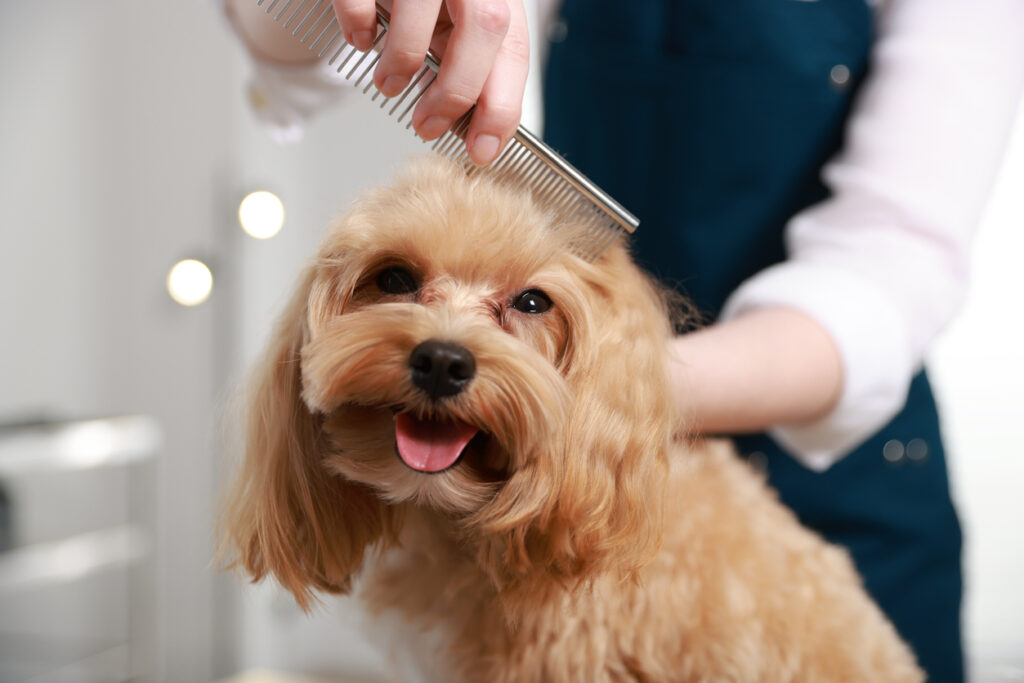
Signs Your Dog Needs Grooming (And Why It Matters More Than You Think)

April 22, 2026 by Michelle Bedard

Not sure if your dog needs grooming yet? You’re not alone. Most pet owners wait until it’s obvious that your dog needs grooming, but by then, your dog may already be uncomfortable.

Grooming isn’t just about keeping your dog looking good. It plays a big role in their overall health, comfort, and happiness.

If you’re noticing any of the signs below, it’s probably time to schedule an appointment with The Ranch Pet Resort and Spa’s grooming department.


Quick Answer: How Do You Know It’s Time?

If your dog has a strong odor, matted or overgrown fur, overgrown nails, dirty ears, or seems uncomfortable—it’s time for grooming.


1. Your Dog Has a Strong Odor

Dogs shouldn’t smell overwhelming. If you’re noticing a persistent odor, it’s usually a sign that oils, dirt, and bacteria have built up in their coat.

Regular grooming helps keep their skin clean and prevents irritation.


2. Tangled or Matted Fur

Matting isn’t just a cosmetic issue; it can actually be painful for your dog.

Mats pull on the skin, trap moisture, and can lead to infections if left untreated. This is especially common in long-haired breeds, but it can happen to any dog.

If you’re having trouble brushing through their coat, it’s time.


3. Overgrown Nails

If you can hear your dog’s nails clicking on the floor, they’re too long.

Overgrown nails can affect how your dog walks, cause discomfort, and even lead to joint issues over time.


4. Excessive Shedding

Some shedding is normal—but if it feels out of control, grooming can help.

Professional grooming removes loose fur, reduces shedding, and keeps your dog’s coat healthier overall.


5. Dirty Ears or Wax Build-Up

Dogs’ ears can trap dirt, debris, and moisture, especially in breeds with floppy ears.

If you notice a smell, visible buildup, or your dog scratching at their ears, grooming is important to help prevent infections.


6. Tear Stains or Facial Buildup

Tear stains around the eyes and buildup around the mouth can become more than just a cosmetic concern.

Keeping these areas clean helps prevent irritation and keeps your dog comfortable.


7. Your Dog Seems Uncomfortable

Sometimes the signs aren’t obvious.

If your dog is:

  • Scratching more than usual
  • Licking excessively
  • Acting restless

It could be related to their coat, skin, or overall hygiene.


Why Regular Grooming Matters

Waiting too long between grooming appointments can lead to:

  • Skin irritation or infections
  • Pain from matting
  • Difficulty walking due to nail length
  • Increased shedding and discomfort

Routine grooming keeps your dog feeling their best and not just looking their best.


How Often Should You Groom Your Dog?

It depends on your dog’s coat and lifestyle, but a general guideline:

  • Short-haired dogs: every 6–8 weeks
  • Long-haired dogs: every 4–6 weeks
  • Active or outdoor dogs: may need more frequent grooming

If you’re unsure, a professional groomer can help you create a schedule that works for your pet.


Ready to Book?

If you’re noticing any of these signs, it’s time to schedule a grooming appointment.

At The Ranch Pet Resort and Spa, grooming is designed to be a calm, safe, and comfortable experience for your dog—from start to finish.

👉 Book your dog grooming appointment here.

Filed Under: Dog Care, Pet Care, Pet Health and Safety Tips Tagged With: dog grooming, grooming

Summer Safety Tips for Pets

July 18, 2025 by Michelle Bedard

Hot weather can be dangerous for our furry friends, and it’s always a good idea to keep reminding ourselves how to prevent our pets from heat exhaustion, an expensive vet visit, or worse.

Follow these simple tips to keep your pets cool, healthy, and safe this summer. Need a safe place for your dog to cool off like Boomer? Try our doggie daycare! We have the only water park in the East Bay meant for dogs!


1. Keep Pets Indoors

Pets can overheat quickly, just like people. When it’s hot, limit outdoor time—especially during the middle of the day—and make sure they have a cool space indoors with air conditioning or fans. Overheating can lead to serious health issues.


2. Never Leave Pets in the Car

Even on mild days, a parked car can become dangerously hot in minutes—even with the windows cracked. Every year, pets suffer or die from being left in cars. Always leave them at home where it’s safe and cool.


3. Visit the Vet

Schedule a check-up in spring or early summer. Make sure your pet is protected against fleas, ticks, and heartworm—these are more common in warmer months. A quick visit to the vet now can prevent bigger problems later.


4. Walk During Cooler Hours

Avoid walking dogs in the heat of the day. Early morning or late evening is best. Hot pavement can burn their paws, and they can overheat quickly. Always carry water and watch for signs of exhaustion like heavy panting or slowing down.


5. Provide Shade and Water

If your pet spends time outdoors, make sure they have plenty of fresh, clean water and a shady place to rest. Dehydration and heatstroke can come on fast in hot weather.


6. Know Heat-Sensitive Breeds

Some dogs—like Bulldogs, Pugs, and Shih Tzus—are more vulnerable to heat due to their short noses. Older pets, puppies, and overweight animals also need extra care. Watch them closely in warm weather.


7. Don’t Shave Their Coat

It may seem like shaving your pet will keep them cool, but their fur actually helps regulate body temperature. A light trim is fine, but don’t remove their coat entirely. When in doubt, talk to a groomer.


8. Avoid Stagnant Water

Swimming can be fun, but ponds or lakes with still water may contain toxic algae. Stick to clean water sources like sprinklers or running streams, and always rinse your pet after swimming—especially in saltwater.


9. Keep Pets Safe During Fireworks

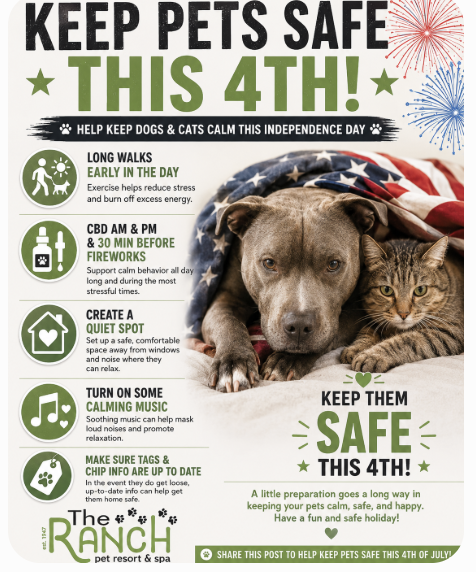
Loud fireworks can frighten pets and cause them to run away. Keep pets indoors during celebrations, and make sure they have a quiet, safe place to hide. Check your yard for firework debris the next day.


10. Use Pet-Safe Sunscreen

Pets can get sunburn too, especially on hairless or lightly pigmented areas like the nose, ears, belly, and groin. Use sunscreen made for pets, and keep them out of direct sunlight during peak hours.


11. Avoid the Beach Unless Prepared

If you bring your pet to the beach, provide shade and lots of fresh water. Sand and saltwater can be harsh—rinse your pet off after swimming, and keep an eye out for signs of overheating.


12. Watch Out for Chemicals

Avoid letting pets walk on recently treated lawns or drink from puddles near sprayed areas. Also, check for coolant leaks from cars—antifreeze is sweet-tasting but deadly. Use pet-safe products whenever possible.


13. Keep ID Tags and Microchips Updated

If your pet gets scared and runs off, proper ID can help them get home. Make sure they wear a tag with current info and consider a microchip for added security.


14. Learn the Signs of Overheating

A relaxed Hungarian vizsla enjoys the cool shade of a table amidst vibrant greenery in a tranquil garden setting

Watch for heavy panting, drooling, vomiting, red or purple gums, or your pet lying down and refusing to move. These are signs of heat exhaustion or heatstroke—get them to a vet right away.


15. Cool Treats for Hot Days

Make dog- or cat-friendly frozen treats at home using ingredients like peanut butter, broth, or wet food. These “pupsicles” or “catsicles” are a fun and easy way to help pets cool down.


Final Reminder:

If it’s too hot for you, it’s too hot for your pet. Keep them safe, cool, and hydrated all summer long—they depend on you!

Have a safe and healthy summer from all of us at The Ranch Pet Resort and Spa!


Filed Under: Cat Care, Dog Care, Healthy and safety tips, Pet Care, Pet Health and Safety Tips, Uncategorized Tagged With: cool pet treats, frozen pet treats, pet care, summer safety tips for pets

Fourth of July Holiday Tips

July 1, 2025 by Michelle Bedard

The Fourth of July weekend kicks off this Friday, which makes for a long weekend of celebrations. We are lucky to live in Livermore, home to many fun and family-friendly Fourth of July activities right in our own backyard. Or, we can make a short trip to the mountains or the beach!

However you decide to celebrate the Fourth of July, The Ranch Pet Resort and Spa wishes each of you a fun, safe, and festive Fourth of July. Please enjoy the holiday even more with our Fourth of July Holiday Tips.

Keep Your Pet Safe on the Fourth of July

The Fourth of July is filled with crowds, music, action, fireworks in some places, and a variety of tasty food and drink.

At this time of year, it’s especially important to remember that not all of our pets enjoy the festivities and are easily spooked; some are even traumatized.

While you enjoy the Fourth of July celebrations, please make safety a primary consideration for your pets, as fireworks, strangers, and loud noises are a trigger for many animals, creating stress, anxiety and overcrowded shelters.

Place your pet in a crate or locked room with food and water, comforting toys, chewies, soft music or a quiet TV show. Thundershirts are often a great tool for dogs who experience much stress.

If you go out, ask a responsible person to check on your pet. Having someone there to calm a stressed dog can do wonders for a reactive pet. Just make sure they return the pet to the closed crate or room.

Keep your dogs at home for any Fourth of July activity. Even the most secure pooch can be easily stressed or escape if you are distracted. Hot pavement or heat create health hazards to our beloved canines. Make the Fourth a time for you and your friends and family, securing your pet at home.

DID YOU KNOW? ***************

The day after the Fourth of July is the most crowded day at the shelters, as frightened pets who aren’t secured safely in a room or crate often get scared and run off.

Watch the video below to learn ways to keep your pet out of the shelter on the Fourth of July.

Take Measures to Track a Lost Pet

If your pet does get lost, you should take these measures to find it.

  • Call and visit your local shelter daily.
  • Put lost and found posters around the neighborhood and beyond. Dogs can roam for miles, increasing the travel distance.
  • Offer a reward for the safe return of your pet.
  • Post on Nextdoor and all social media platforms.
  • Ask everyone to share the news that your pet is missing. Give details about what your pet looks like, what its name is, and ways to get it back or advice on not chasing it in the event it may run further away.

Keep Dogs and Cats Away from Holiday Food

Holiday food is oh, so good, but can cause diarrhea, vomiting, an expensive hospital visit, or even death to a dog or cat.

Avoid sharing even the littlest bit of food with your dog and ask your guests to not share food either.

You never know how a pet is going to react to a holiday treat or if it may contain something in it that causes allergies or is toxic to your dog or cat.

If you have a side yard, room, or crate, it’s best your pet is unable to roam around during your Fourth of July holiday party. Even the most attentive hosts can be distracted by the most cunning dog or cat who is just as tempted to enjoy the food and drink.

Happy Fourth of July from all of us at The Ranch Pet Resort and Spa

Filed Under: Cat Tips, Dog Care, Healthy and safety tips, Holidays, Pet Health and Safety Tips, Uncategorized Tagged With: cat safety, dog safety, fourth of july, Holiday pet tips, lost dog or cat

How Dogs Play at Different Ages

May 29, 2025 by Michelle Bedard

Just like people, dogs change as they grow—and that includes how they play! Puppies are little balls of energy, adults tend to settle into a rhythm, and seniors may slow down but still enjoy a good game. Here’s how play behavior shifts as dogs get older.


Puppies (Under 6 Months)

All Energy, All the Time
Puppies are super curious and love to explore the world through play.

They Play A LOT
They can go for hours and seem like they never get tired.

Learning Through Play
Play helps them understand how to interact with people and other dogs.

Figuring Out Boundaries
Rough-and-tumble play teaches important lessons like when to stop and how to be gentle.

Tip: This is the perfect time to encourage good play habits!


Adolescents (6–18 Months)

Play Gets Rougher
Teenage dogs are full of energy and might play harder than before.

Pushing Limits
They may test the rules or challenge other dogs during play.

Pickier About Playmates
They start forming preferences about who they want to play with.

Watch for Overexcitement
These dogs can get overstimulated quickly, so supervision is key.

Consider structured games to help burn off energy while teaching focus.


Adult Dogs (18 Months to Around 7 Years)

They Know What They Like
Adults often have a favorite toy, game, or playmate.

More Chill
They still enjoy playing, but usually in a calmer way.

Selective Players
Some are still super playful—others, not so much.

Different for Every Dog
One adult dog might chase a ball all day, while another just wants belly rubs.

Related: Best Toys for Adult Dogs


Senior Dogs (7+ Years)

Slower Pace
Older dogs may not have the same stamina they used to.

Mobility Issues
Things like arthritis can make high-energy games uncomfortable.

Adjust the Game
Try gentler play like short tug-of-war, food puzzles, or sniff-and-find games.

Mental Changes Too
Cognitive decline may affect how they interact or understand play.

Play helps seniors stay mentally sharp and emotionally connected.


Key Things to Remember

  • Every Dog’s Different: Age is a factor, but personality matters too.
  • Health = Playfulness: A dog’s health can affect how much (or how little) they want to play.
  • Start Young: Dogs who play and socialize early tend to grow into confident, happy adults.
  • Always Supervise: Make sure play stays safe and fun for everyone involved—especially when mixing dogs of different ages or sizes.

Keep Play Fun at Any Age

Understanding how your dog’s play changes as they grow helps you give them what they need at every stage of life. Whether they’re full of puppy zoomies or just want a quiet game of fetch, playtime is always a chance to bond.

Want more tips? Subscribe to our newsletter for weekly dog-friendly games, training tips, and more! Simply email info@theranchpetresort.com and ask to be added to the email list!

Filed Under: Dog Care, Dog News, Dog Training, Pet Care, Pet Health and Safety Tips Tagged With: dog behavior, dog play, puppies

Happy Valentine’s Day from The Ranch Pet Resort and Spa

February 15, 2025 by Michelle Bedard

On this day filled with love and affection, The Ranch Pet Resort and Spa would like to wish you a very Happy Valentine’s Day!

And what better way to kick off today than with Valentine’s from some of our beloved guests!

Happy Valentine’s Day from The Dogs of The Ranch

Blue wishes you a most delightful Valentine’s Day! Blue represents all of the pittie dogs and pups who have endless love and affection to give all day every day. Who can resist Blue’s sweet charm and puppy dog eyes?

Dolce wants no none to be left “behind” on this Valentine’s Day. He represents the German Shorthair Pointers and all of the Ranch Dogs who have no problem being behind the scenes. These goofballs are fine not to take center stage and have all of the confidence to be photographed from all angles. If you look closely enough, you might even see the resemblance of a heart amid all of those mass muscles and spots!

With eyes this affectionate, how can you not fall for Lula? Lula represents all of the Ranch pups who speak with their eyes and melt our hearts. How can you not fall in love with someone so sweet and ready to give hugs with those giant paws. Lula, you had us with your brows. May all of your Valentine wished come true!

Ah, Pretzel, no one ever wants to be dumped on Valentine’s Day. That is why we count on you to make sure you do your “doodie” and keep us together. Pretzel represent our self-confident puppers whose high-energy antics and agility skills keep us on our toes. You know what’s better than this sweet Pretzel? Lots of pretzels covered in chocolate and dipped in sprinkles.

Valentine’s Wishes from The Ranch Pet Resort and Spa

May your Valentine’s Day be filled with love from your fur babies, and may you shower them with the affection they deserve.

We feel so lucky to be able to spend Valentine’s Day with your dogs and soak up all of the love and affection they provide to us this day and every day!

Human Foods that are Safe for Dogs

If you want to spoil your dog this Valentine’s Day, here are some human foods that are safe for dogs as well as some foods that you should avoid. Remember, chocolate and alcohol is toxic for dogs, so keep the chocolate covered strawberries and champagne for you!

Natural dog food Hungry brown dog lying near its bowl full of meat food looking at camera, top view

Filed Under: Holidays, Pet Health and Safety Tips Tagged With: valentine's day

  • Page 1
  • Page 2
  • Page 3
  • Interim pages omitted …
  • Page 7
  • Go to Next Page »

Primary Sidebar

Recent Posts

  • Summer Safety Tips for Dogs and Cats
  • The Silent Signs: Why Cats Hide Pain and How Early Detection Can Save Their Quality of Life
  • Summer Pool Pawty
  • National Adopt a Shelter Pet Day
  • Signs Your Dog Needs Grooming (And Why It Matters More Than You Think)

Dog Boarding

Our exclusive brand new pet resort means you never worry about boarding your pet!
Click Here

Dog Daycare

Playdates have never been more fun than at Dog Daycare!
Click Here

Footer

Contact Info

Address
4964 Tesla Rd.
Livermore, Ca 94550

Phone: (925) 447-1729

Email:
info@theranchpetresort.com

Hours of Operation

Mon – Fri : 7:00am – 7:00pm
Sat: 9:00am – 3:00pm
Sun: Closed

Holiday Hours

Unlike other pet care options, come rain or shine, 365 days a year, we have staff here caring for our furry guests in our state-of-the-art, secure facility.

Newsletter

Stay up-to-date with events and announcements!

Copyright © 2026 The Ranch Pet Resort
FacebookInstagram
LocationPrivacyTermsContact