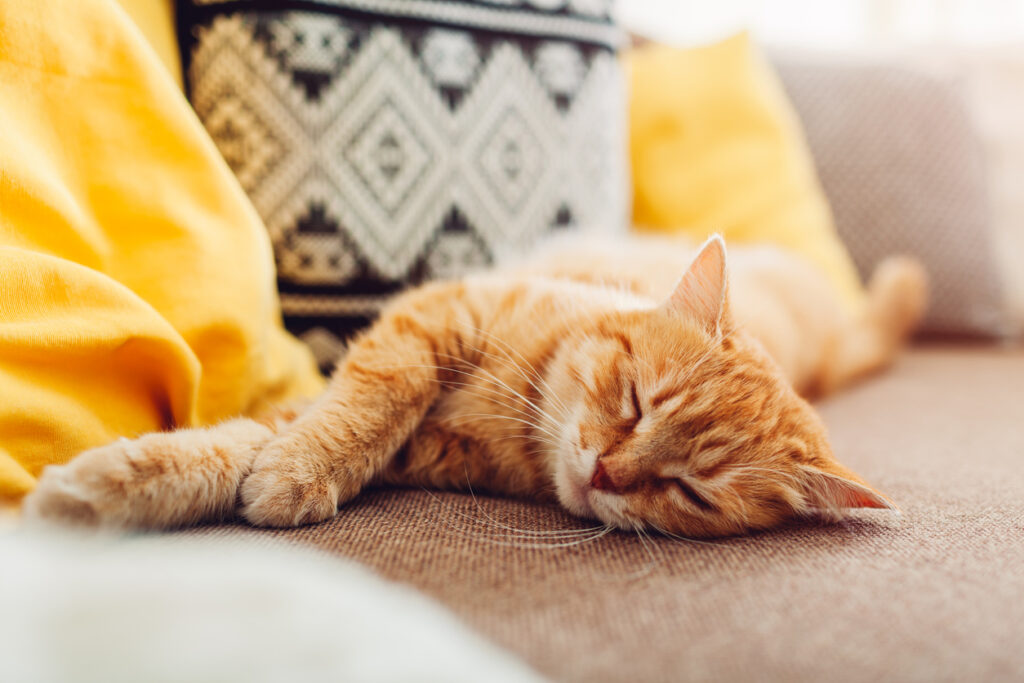
Cats are masters at hiding pain.
Unlike dogs, who often show obvious signs when something feels wrong, cats instinctively mask discomfort and illness. In the wild, showing weakness could make them vulnerable to predators. Even though our cats live safely in loving homes, that survival instinct remains deeply ingrained.
Unfortunately, this means many cat owners miss important warning signs until their beloved companion suddenly declines.
At The Ranch Pet Resort and Spa, we believe education is one of the greatest gifts we can give pet parents. If you have an aging cat, understanding subtle behavioral changes could make all the difference in helping them live a longer, healthier, and more comfortable life.
This topic is especially personal for us because many pet owners — even deeply attentive ones — don’t realize their cat has been suffering until the condition has significantly progressed. It can happen slowly and quietly, right in front of us.
Cats Rarely Cry Out for Help
One of the biggest misconceptions about cats is that they will “tell us” when they are hurting.
Most won’t.
Instead, pain often appears through tiny behavioral changes that are easy to dismiss as aging, moodiness, or personality shifts.
A cat suffering from arthritis, kidney disease, dental pain, digestive issues, or other chronic conditions may simply become quieter, more withdrawn, or behave differently around the home.
Some of the most common signs to watch for include:
- Changes in eating habits
- Weight loss or decreased appetite
- Drinking more or less water
- Changes in litter box habits
- Difficulty jumping onto furniture
- Sleeping more than usual
- Hiding frequently
- Avoiding interaction
- Suddenly becoming clingier
- Irritability or sensitivity when touched
- Poor grooming or matted fur
- Walking stiffly or more slowly
These changes may seem small at first, but together they can indicate your cat is struggling physically.
Joint Pain in Cats Is More Common Than People Realize
Many people associate arthritis and joint issues with dogs, but cats suffer from them too — especially as they age.
In fact, veterinary studies suggest that a large percentage of senior cats develop some degree of arthritis or degenerative joint disease.
The difficult part is that cats adapt incredibly well.
Instead of limping dramatically, they may simply:
- Stop jumping to high places
- Use stairs less often
- Hesitate before moving
- Sleep downstairs instead of upstairs
- Become less playful
- Avoid being picked up
Because these changes happen gradually, owners often interpret them as “just getting older” rather than signs of pain.
But aging itself is not a disease. Chronic discomfort should never simply be accepted as normal.
Your Cat’s Diet Matters More as They Age
As cats grow older, their nutritional needs begin to change.
Senior cats often become less active, which means they may require fewer calories to maintain a healthy weight. At the same time, aging organs — especially the kidneys and liver — may benefit from carefully balanced nutrition.
Many veterinarians recommend transitioning aging cats to senior-specific diets designed to:
- Reduce excess calories
- Support kidney function
- Maintain healthy weight
- Improve digestion
- Support mobility and joint health
In some cases, lowering protein levels may be recommended depending on kidney health and veterinary guidance. However, because every cat is different, dietary changes should always be discussed with your veterinarian first.
Hydration also becomes increasingly important as cats age. Adding wet food or moisture-rich meals can help support kidney and urinary health.
Supplements Can Support Joint Health and Comfort
One of the most helpful things cat owners can explore is joint supplementation.
Today, there are many veterinarian-approved supplements designed specifically for aging cats that may help:
- Reduce inflammation
- Improve mobility
- Support cartilage health
- Ease stiffness
- Increase comfort
Common ingredients include:
- Glucosamine
- Chondroitin
- Omega-3 fatty acids
- Green-lipped mussel
- MSM
- Hyaluronic acid
While supplements are not a cure, they can dramatically improve quality of life when introduced early.
The key is not waiting until mobility issues become severe.
Simple Changes That Help Aging Cats Thrive
Beyond medical care, small adjustments around the home can make a major difference for senior cats.
Consider:
- Providing soft, orthopedic bedding
- Using low-entry litter boxes
- Adding pet stairs or ramps
- Keeping food, water, and litter easily accessible
- Brushing regularly if grooming becomes difficult
- Scheduling more frequent veterinary exams
Most importantly, pay attention to subtle behavior changes.
You know your cat better than anyone else.
If something feels “off,” trust your instincts.
Early Detection Can Change Everything
One of the hardest realities for cat owners is realizing their pet may have been silently suffering for weeks or even months before symptoms became obvious.
And unfortunately, cats can deteriorate very quickly once illness progresses.
But early detection can significantly improve treatment outcomes, comfort, and overall quality of life.
Routine wellness exams, bloodwork, weight monitoring, and behavioral awareness are some of the most powerful tools we have to protect our aging feline companions.
A Final Thought From Our Hearts
Cats are incredibly resilient creatures. They love quietly, suffer quietly, and often age quietly too.
That’s why they depend on us to notice the small things.
If your cat has been acting differently — even in ways that seem minor — don’t ignore those changes. A simple veterinary visit could uncover pain or illness before it becomes advanced.
At The Ranch Pet Resort and Spa, we know pets are family. And sometimes the greatest act of love is paying attention before the signs become impossible to miss.
Your awareness could give your cat more comfort, more time, and a better quality of life in their golden years.