Healthy Human Foods Your Dog Can Enjoy as an Occasional Treat
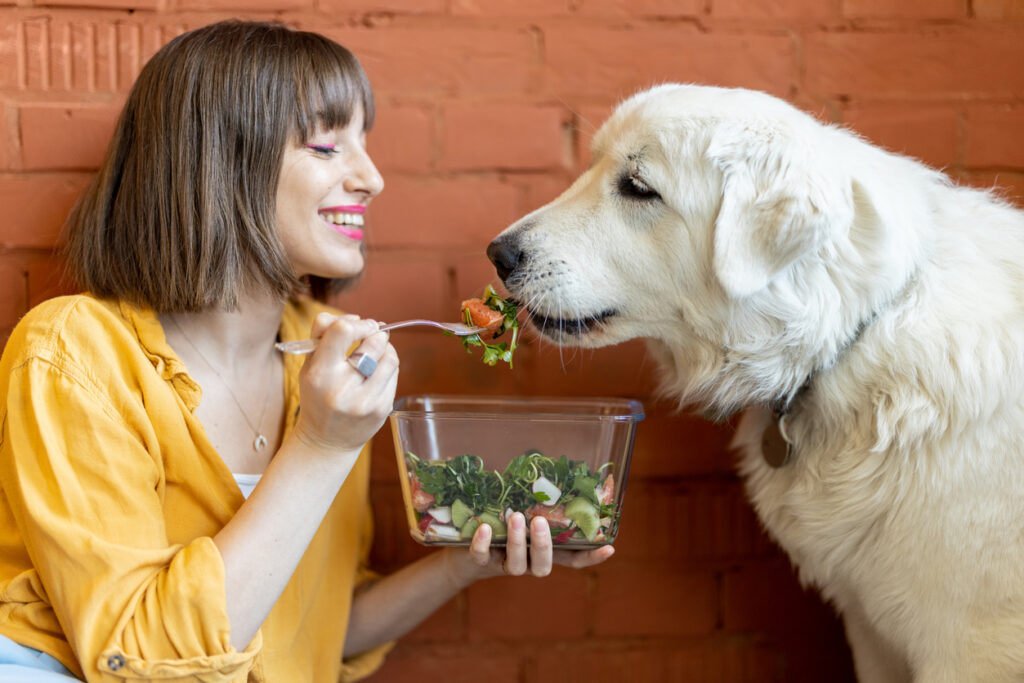
As dog parents, we love finding little ways to make our dogs feel special, and sharing a healthy snack can be a wonderful way to show them some extra love. While your dog’s regular food should provide the foundation of a balanced diet, there are plenty of fresh, wholesome human foods that can be offered as occasional treats.
From juicy watermelon and antioxidant-rich berries to crunchy carrots and protein-packed eggs, you may already have several dog-friendly options in your kitchen!
Fruits can make wonderful summertime treats for dogs, especially when the weather is warm. Blueberries, blackberries, strawberries and raspberries are naturally rich in antioxidants and can be offered in small portions.
Watermelon is another refreshing favorite because of its high water content. Just be sure to remove the seeds and rind before giving it to your dog.
Apples and pears can also be enjoyed when the seeds and core are removed and the fruit is cut into appropriately sized pieces.
Bananas, cantaloupe, honeydew, mango and pineapple are other options that many dogs enjoy. Because fruit contains natural sugar, it is best treated as an occasional snack rather than a large part of your dog’s daily diet.
Vegetables are another excellent choice for a crunchy, nutritious treat. Carrots are especially popular with dogs and can be served raw or cooked. Green beans, cucumber, zucchini, celery and bell peppers are also low-calorie options.
Plain cooked sweet potato and pumpkin can provide fiber, while small amounts of broccoli, cauliflower, peas, spinach and Brussels sprouts can add variety.
When preparing vegetables for your dog, keep them plain and avoid butter, salt, garlic, onions and other seasonings that can be harmful to pets.
Dogs can also enjoy certain plain protein-rich foods. Fully cooked, boneless chicken or turkey can make a tasty high-protein treat, while plain cooked eggs are another nutritious option.
Fully cooked, boneless salmon and sardines packed in water can provide beneficial nutrients and omega-3 fatty acids. Some dogs can also tolerate plain Greek yogurt or low-sodium cottage cheese, although dairy doesn’t agree with every dog’s digestive system.
There are a few other foods that can be used as occasional treats. Plain cooked oats, brown rice and quinoa can be offered in small quantities.
Natural peanut butter can be a favorite, but always check the ingredient label carefully and never give your dog peanut butter containing xylitol (also called birch sugar).
A tiny amount of organic honey can be an occasional sweet treat for some dogs, but because it is high in sugar, it should be used sparingly.
Of course, not every human food is safe for dogs. Grapes and raisins, chocolate, onions, garlic, chives, macadamia nuts, alcohol, caffeine, raw yeast dough and xylitol can be dangerous for dogs.
Cooked bones can also splinter and cause serious injuries or digestive problems. If you’re ever unsure whether a food is safe, it’s best to check with your veterinarian before offering it to your pet.
At The Ranch Pet Resort & Spa, we know that our dogs are more than pets, they’re family. Whether you’re looking for a special treat to share after a day of play or simply want to add a little variety to your dog’s snack routine, fresh, dog-friendly foods can be a fun option.
Just remember that treats should complement your dog’s regular diet, not replace it, and every dog is different. When introducing a new food, start with a small amount and watch for any signs of digestive upset or an allergic reaction.
A little healthy variety can go a long way toward making your dog’s day even more special!