• Skip to primary navigation
  • Skip to main content
  • Skip to primary sidebar
  • Skip to footer
VISIT US IN LIVERMORE, CA
CALL NOW (925) 447-1729
The Ranch Pet Resort & Spa

The Ranch Pet Resort

Premium dog & cat boarding, dog daycare, play groups, dog & cat grooming, and more!

  • Pet Boarding
    • Dog Boarding
    • Cat Boarding
  • Dog Daycare
  • Dog Grooming
  • Dog Training
  • Reservations
  • Our Reviews
  • About Us
    • About Us
    • Blog
    • Reviews
  • Contact
    • Reservations
    • Our Location
    • Contact Us

Dog Care

The Surprising Similarities Between Puppies and Teenagers

February 10, 2024 by Michelle Bedard

Nature has a way of alerting parents that their youngin’ is approaching adolescence. Whether the young one is a child or a puppy, there are surprising similarities between their adolescent behaviors.

Puppy adolescence occurs between 6-18 months of age. Teens reach adolescence between 12-14 years of age and continue through their late teens and into their early 20’s (source).

If you consider the behaviors of both pups and teens during adolescence, you may not notice much of a difference!

Adolescent Behaviors in Puppies

Once a puppy outgrows the cute phase of puppy breath, falling asleep in the most compromising positions, and being held, it reaches a stage of life that many dog owners find difficult and frustrating!

Puppies in the adolescent stage of life exhibit qualities that test even the most experienced and patient dog owner.

Adolescent behaviors in puppies include many of the following:

  • Chewing, chewing, and more chewing on hands, furniture, shoes, people, other pets
  • Possessing energy levels that challenge any pet parent- zoomies are common, so is bouncing on and off furniture and getting the “wild” look in the eyes and face
  • Selectively listening to commands-not coming when called; not staying, sitting, or heeling
  • Growling when attempting to remove the pup from furniture
  • Demonstrating sexual behavior
  • Exhibiting physical changes consistent with puberty
  • Portraying sexual behaviors
  • Reverting back to peeing and pooping indoors
  • Displaying destructive and aggressive tendencies
  • Guarding resources
  • Lacking respect, focus, and concentration
  • Lack of respect and response
  • Testing and challenging their owners or caretakers
  • Showing more lethargy and moodiness

Puppies can display some or all of these behaviors throughout adolescence, causing tension and a war of “who’s in charge” between pup and parent. With time, boundaries, training, and consistency, a puppy who is corrected appropriately will outgrow these tendencies and become a well-behaved adult!

Comparing Teen Behaviors with Puppies

Any parent reading the list of puppy behaviors can easily identify the similarities between puppies and teens. Aside from chewing, teens are also known for causing chaos in a household; tuning out, rebelling against authority, testing boundaries, being destructive or leaving messes, and switching between having enough energy to go out at 11 pm and sleeping in until the afternoon.

Sexual advancement is another commonality shared between teens and puppies with moody dispositions following closely!

Much like puppies, teens need boundaries and a parent with consistent disciplinary measures to guide the rebellious adolescent into adulthood.

With time and patience, this youngin will most likely mature into an adult a parent would like to be around.

Help with Puppy Training

For those of you needing help with puppy training, we have a solution! The Ranch Pet Resort and Spa offers training programs for pups and those acting like pups. Please contact us for more information and pricing. * *Disclaimer-sorry, but at this time, The Ranch Pet Resort and Spa is unable to provide training for adolescent children.

Filed Under: Dog Care, Dog News Tagged With: puppies, puppy behavior

Why Does My Dog Do That? Examining Odd Behaviors in our Beloved Dogs

January 30, 2024 by Michelle Bedard

The other day, our dog, Ryder, stealthily picked up the cat’s empty food bowl and brought it upstairs to his favorite human. This is the same dog who picks up full bowls of dog food and moves them away from our other dogs to eat by himself, always leaving a trail of kibble.

It doesn’t take Google to figure out why our dog brought up the cat’s dish. It was 6 o’clock, and he was hungry. The cat’s food dish is easier to pick up then his dog bowl which is sunken into an above ground feeder to make it easier for a larger dogs to eat.

But dogs can sometimes exhibit odd behavior that leaves us wondering, Why does my dog do that?

In a new series of blogs, The Ranch Pet Resort and Spa is going to examine the behaviors we often find odd in our dogs and our cats!

Addressing the Elephant in the Room-Why Does My Dog Hump Other Dogs?

Dogs hump other dogs for a variety of reasons that aren’t always sexual in nature. In fact, both male and female dogs hump; both spayed and neutered dogs hump. But why?

If a male senses a female is in heat, then he will mount her due to his testosterone. But there a variety of reasons a dog humps another dog or even humans and these include:

  • Attention
  • Excitability
  • Anxiety
  • Dominance
  • Sign of play

Dogs often seek the attention of the ones they care about the most, and humping can be a behavior a dog exhibits to greet its human or to show how excited it is. Legs are an easy target to hump, as is a back if a person is sitting down.

While annoying and embarrassing, humping a person is a normal behavior for a dog. To decrease this behavior, redirect your dog with a toy or a behavior that is more appropriate such as playing fetch, doing a food puzzle, or chewing on a treat.

Some dogs hump because they are anxious or nervous and the stress is exhibited by humping. Redirect your dog by calming it and having it sit next to you while you pet it and reassure it.

Dogs have a pack order, and a more assertive dog might turn to humping to show its status in the pack. This behavior isn’t normally the first behavior a dog exerts to gain status, but it clearly indicates to another dog who is the alpha dog and leader of the pack.

Dogs hump when they are playing. This is a common behavior often seen between a dog and a cat who are companions. When a dog humps a cat, it can be a sign of affection or a reaction to a conflict between the two.

When Does Humping Become a Problem in a Dog?

The humping behavior in a dog is usually not a problem and can be redirected with the tips we mentioned above.

In the event your dog humps obsessively, this may be a sign of a more serious behavior problem. Talk to your vet or a behaviorist who can help you determine why your dog humps and what action to take.

For more information or resources regarding humping, please refer to this article.

Filed Under: Dog Care, Pet Care, Pet Health and Safety Tips, Uncategorized Tagged With: anxiety in dogs, dog behaviors, dog dominance, humping

Ideas to Keep Your Dog Entertained During Rainy Weather

January 24, 2024 by Michelle Bedard

With all of the rain we have been experiencing, it’s sometimes difficult to get outside and go for a walk or run or go to the dog park.

The pent up energy for both humans and animals can sometimes drive us all stir crazy! So here are some ideas to keep the pup in your life entertained during wet weather.

Play Physical Games with Your Dog

Dogs of all sizes love games! Consider playing Hide and Go Seek with your pooch. Dogs who can stay while you hide will love the thrill of trying to find you.

Dogs with less training or attention span can be distracted by a ball or treat while you hide! Consider closets, furniture, beds, or even blankets as spots to escape while your dog looks for you!

Grab a rope, dog toy, or twisted towel and play tug o’ war with your dog. The physical activity is fun for both of you and can be played over and over. Let your dog grab the rope from you and toss it back and forth in its mouth while you try to grab it. Toss it gently and turn this into fetch and tug o’war.

Speaking of fetch, long hallways are great places to throw toys, stuffies, or balls for your dog to bring back. As long as there aren’t any breakable objects, you can make an adventure out of playing ball from the comfort of your own couch, bed, or floor!

Use Puzzles or Games to Stimulate Your Dog’s Mind

Whether you invest in plastic or rubber puzzle games or create your own, your dog will go nuts for puzzle games! Store bought games that have your pooch manipulating puzzle pieces to get to a tasty treat are self-motivating and a lot of fun for both you and your pooch to partake in.

Or, get creative and find your own plastic cups, containers, or boxes and hide treats under those. Have your dog watch you place a treat under plastic cups and move them around and let him find the treat on his own!

For a different experience, have your dog leave the room while you hide a treat under a pillow, behind a toy, or on a piece of furniture. See how long it takes for your dog to find the prized delicacy! Then play the game again! Using small treats or pieces of treats can ensure your dog stays motivated and keeps her figure without filling up!

Chill out and Watch a Movie

What dog doesn’t enjoy spending time with his best friend? When the forecast calls for rain or windy conditions, stay in jammies and turn on a movie or two while your dog snuggles up next to you.

Even if you are a “dogs on the floor not the bed” kind of person, time next to you while getting some serious belly rubs with a fire in the fireplace are every dog’s dream.

Bake Some Treats!

Make dog treats with your best friend

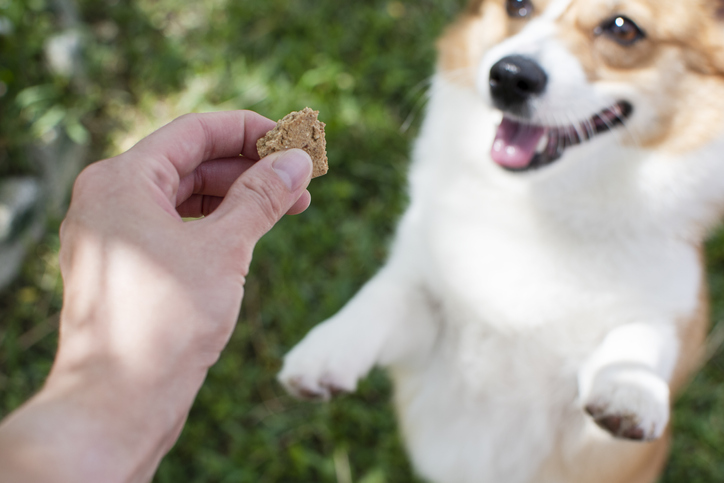
The internet is full of dog friendly treats or human treats that are safe for dogs! Baking is always a fun activity to perform on a cold, winter day. But the best part as we all know is tasting the treats!

Just remember chocolate is not safe for dogs but delicious for humans!

Here is a dog and human safe recipe we think you will both enjoy! Happy tastings!


Filed Under: Dog Care, Uncategorized Tagged With: dog games, dog safe cookie recipes, rainy day ideas for dogs

What Does My Dog’s Behavior Mean?

May 19, 2023 by Michelle Bedard

Before we had dog behaviorists to analyze what our dog’s behavior meant, we may have misinterpreted what our best friends wanted to communicate with us.

Does a wagging tail really mean our dog is happy to see us? Does sitting by the food bowl and barking really signify our dogs are hungry? Could she really be manipulating us to get an extra meal, snack, or treat?

Does a dog who is whining and whimpering need medical care, exercise, love, attention, or a friend?

Are dog owners correct in imposing our feelings and sensations onto our dogs, or do does have they own form of communication?

The research team at The Ranch Pet Resort and Spa sought ought these answers (no, we don’t really have a research team, just a behaviorists who are “in the know” and want to share this information with others)!

Common Dog Behaviors and What They Signify

Tail wagging: you aren’t wrong if you assumed tail wagging is a sign of happiness in a dog. According to pet experts at Pet Helpful, tail wagging also signifies that a dog wants to play, is friendly, or is being submissive. A rapidly wagging tail is indicative of a happy, carefree dog; a steady wagging tail held in a natural position suggests your pup wants to play; and a rapidly wagging tail held in a downward position means your dog is being submissive.

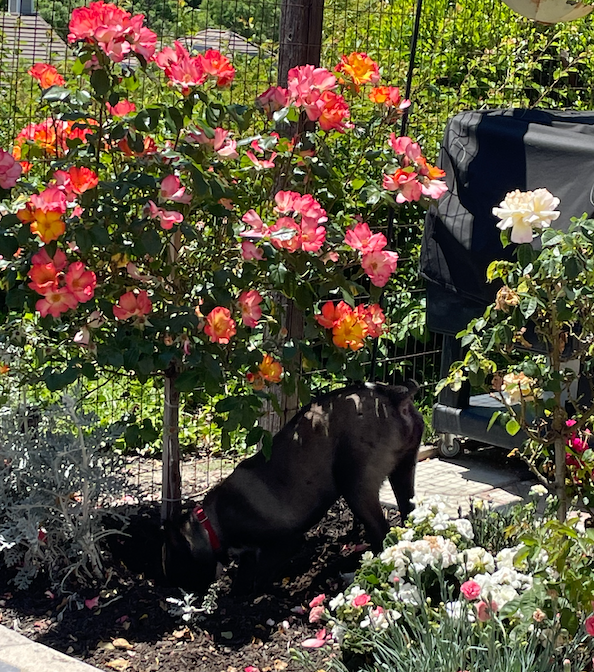
Digging: a digging dog, especially one that is digging in your flower bed, doesn’t mean to be naughty and bothersome! He is reacting out of a natural tendency to bury or uncover a treat or treasure, protect young, cool off, or uncover a small critter. This last behavior is especially common in dogs bred for hunting.

Yawning: A yawning dog doesn’t necessarily need a nap. She may be anxious, confused, stressed, experiencing a new situation or presence that makes her uncomfortable or threatened, or meeting a new dog. Yawning eases pressure and tension. (source).

Panting: a dog can’t sweat like a human, so it pants to cool itself and to avoid overheating. A dog may also pant if it is in pain or about to deliver a litter of puppies.

Staring: Most parents have taught their kids that staring is rude! But be aware that a dog who stares at you can either be showing aggression, love, or submissiveness, or awareness. A dog who stares with wide eyes is alert; if he shows the whites of his eyes he most likely feels threatened and may be prone to attack. A dog whose stare is intense and narrows is trying to dominate you. A polite or submissive dog will look away after staring for a brief time. Should your dog blink at you, she is showing how much she loves you, that she wants to play, or both!

Showing the belly: A dog who lays on its back feels safe and secure. This is a very vulnerable position and expresses deep comfort and relaxation and trust. He may also be signifying to you or another dog that he has accepted a more submissive role, that he is cooling himself off, or he is just more comfortable sleeping on his back. Like humans, dogs have preferred comfort positions when sleeping.

Raised hackles: Raised hackles are a result of a surge in adrenaline either from fear, curiosity, excitement, arousal, or if it’s a hunting dog, smelling prey (source).

Licking: Dogs lick, it’s what they do. The important piece of information is why dogs lick. Dogs lick themselves to groom, relieve allergies, clean a sore, and to feel calm and relaxed. If you are the lucky recipient of a dog’s lick, it means your dog loves you and wants to bond with you. Licking is a natural and instinctive action and a way for your dog to express itself (source).

Pay Attention to Your Dogs Behaviors

While this list of dog behaviors is only a short one, and we may never understand why dogs behave the ways they do, it’s more important to pay attention to your dog and the conditions under which it behaves.

The more you understand about your dog’s behaviors, the better of a relationship you have with your dog. A better-behaved dog makes for a happy dog-human relationship.

Filed Under: Dog Care, Dog News, Dog Training, Pet Care Tagged With: dog behavior, dog care, dogs

Help Your Dog or Cat Get Relief from Seasonal Allergies

April 25, 2023 by Michelle Bedard

If your dog or cat is prone to allergies, there is a good chance this time of year is especially difficult for them. Spring and summer are not only difficult times for humans who suffer from allergies, but they have an effect on dogs and cats as well.

Pets are Prone to Allergies, Too

Just like humans, dogs and cats react to allergens when their immune system reacts to a foreign body such as pollen, dander, dust mites, mold spores, chemical skin irritants, stuffing from dog beds, proteins from foods, saliva from fleas, and more.

Allergies are common among dogs and cats of all breeds, frequently occurring after the pet reaches six months of age. Some allergies are thought to be genetic, such as atopic dermatitis or bee pollen.

Signs of Allergies in Your Dog or Cat

If you believe your dog or cat has an allergy, look for one or a combination of these signs:

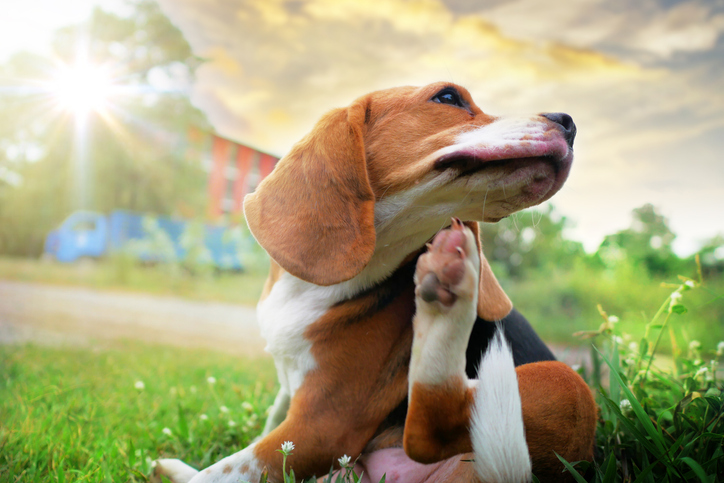
  • Red, itchy, or inflamed skin or paws
  • Hives
  • Swelling
  • Vomiting
  • Diarrhea
  • Excessive licking of paws or anal glands
  • Itchy or running eyes with or without discharge
  • Scooting on their bums
  • Ear infections
  • Excessive shedding
  • Respiratory issues such as wheezing, coughing, or having difficulty breathing

Relief for Allergies in Your Dog or Cat

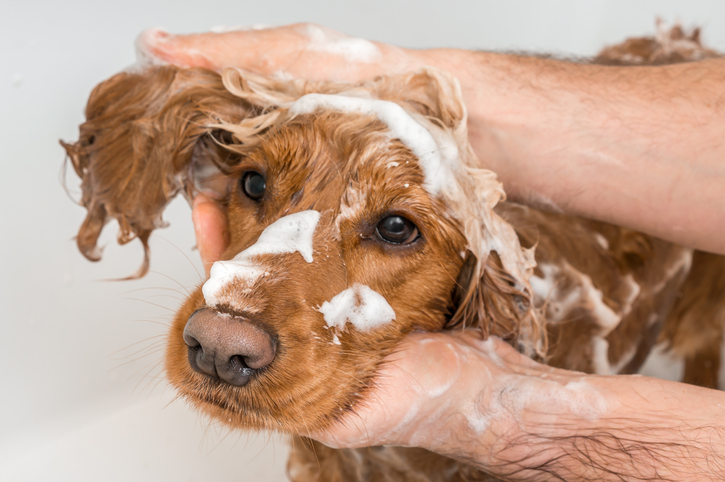
English cocker spaniel dog taking a shower with shampoo, soap and water in a bathtub

The best relief for allergies for your dog or cat is to visit your local veterinarian. The veterinarian will examine your pet and can test it for allergens to be able to treat it more effectively.

Some helpful ways to treat your pet are:

  • Wiping down your pets’ paws or fur after being outside to eliminate the pollen coming inside
  • Anti-inflammatory drugs (please check with your vet as some drugs may contain chemicals that are harmful or fatal to your dog or cat)
  • Bathing your dog or cat in an oatmeal-based dog or cat shampoo
  • Changing your dog or cat’s diet
  • Flea and tick prevention
  • Fatty acid supplements
  • Avoid the irritants

What to Do if Your Dog or Cat has a Severe Allergic Reaction

In the event of a severe allergic reaction, your dog or cat could go into shock. “A dog that goes into anaphylactic shock, for instance, will have a drop in blood pressure followed by shock, which is very different from a skin condition.”

The dog or cat must be treated by a veterinarian immediately. Sometimes it is possible to figure out the allergy, other times it is not.

In any case, the best way to prevent your dog or cat from the effects of severe allergies is to pay attention to how your pet acts and treat the symptoms.

A call to your vet is one of the best places to get the attention and treatment your dog or cat deserves and needs.

Filed Under: Cat Care, Dog Care, Healthy and safety tips, Pet Health and Safety Tips Tagged With: allergens, cat allergies, dog allergies, seasonal allergies

The Challenges and Joys of Bringing Home a New Dog

April 14, 2023 by Michelle Bedard

The staff of The Ranch Pet Resort and Spa are huge animal lovers, with many of us accepting multiple animals into our homes. When the situation arises with adding a new dog to our home, there can be complications as well as joys.

Whether you are adding a new dog into your family because of the passing of your dog, as in our case, or want a companion for your current dog, also in our case, want a dog for protection, companionship, or just happened to come across a dog that needs a home, The Ranch Pet Resort and Spa would like to address the challenges and joys of bringing home a new dog.

Filling the Void of a Beloved Dog

When our family decided to fill the void of our beloved dog of 14 years who had just passed, emotions were mixed. A few family members chose to keep the status quo and let our older dogs live out their lives without adding a new dog, and a few others wanted to fill that void with the pitter patter of new paws.

We carefully chose not to use the word, replace, when filling the void, as that word suggests our former dog could be replaced.

We chose to look at our situation as choosing to bring a new dog into our home to relieve the sadness that came with losing a family member who was with us through good and bad for 14 years.

Decide What Characteristics You Want In a New Dog

The Ranch has the benefit of seeing so many breeds of dogs, sizes of dogs, and both genders. What we can say is, “No two dogs are the same, and we can’t stereotype a breed of dog.”

With that thought in mind, we searched for a dog that had the qualities we wanted in a dog. We are an active family, so we wanted a dog that wanted to hike, swim, play, go on trips and adventures, and play in the snow!

We wanted an older dog, as we didn’t want to go through puppy hood all over again. We had hopes of getting a dog that was already potty trained and also wanted a dog that was crate trained!

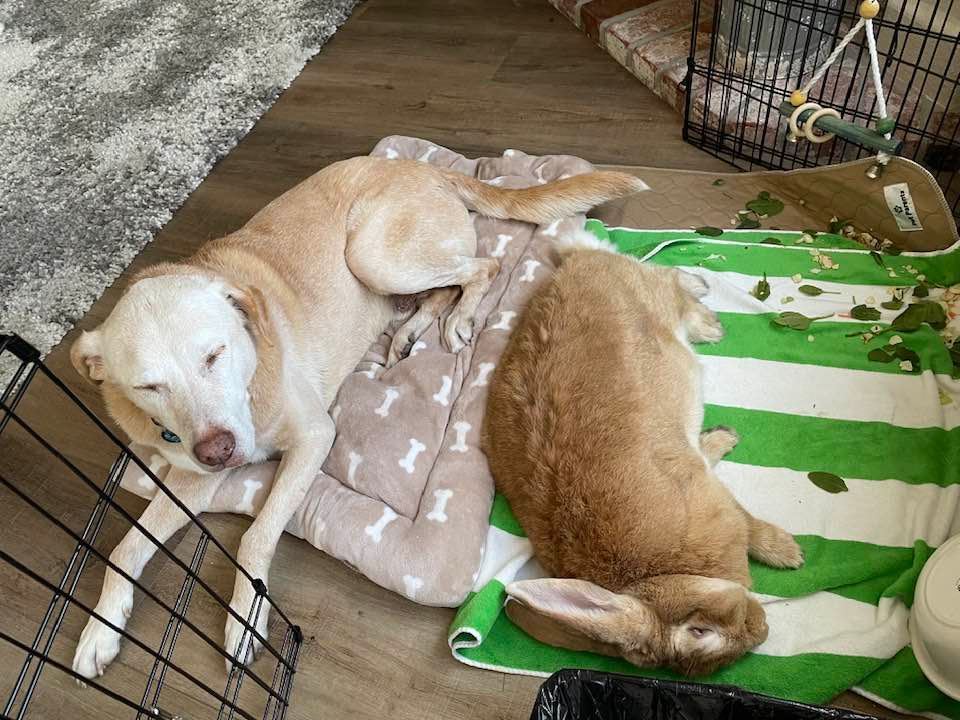
We set our sites high for a dog that would get along with cats and our Giant Flemish Rabbit.

But most of all, we wanted a dog that would love us unconditionally and who could serve as a sense of support for our son to carry on the mission of our dog who just passed.

When Looking for the Right Dog, Take Your Time

When we decided to get serious about adding a new fur baby to our family, we searched the internet for dogs who needed homes, starting with PetFinder, the rescue sites, reputable breeders, sites that specialized in breeds we wanted, and Nextdoor!

Our list of what we wanted in a dog was long, so we focused on the importance of a breed that wasn’t a herding dog for the safety of our cats and Giant Flemish Rabbit. We relied on the knowledge of the caregivers of the dogs to get to know their varied personalities, and then we sought out to meet them.

As we met dogs in person, we made three evaluations:

  1. The dog just wasn’t a right match.
  2. We needed a second visit with the dog to see if the dog got along with our older dogs.
  3. We instantly loved the dog, but weren’t ready to commit. As the matriarch of the family, I knew the dog was going to be with me long after all my children left home, and I wanted to make sure the dog was as much a match for me as it was for the rest of my family.

In the case of numbers 2 and 3, we found that we waited too long and the dog got adopted, which made us both happy for the dog and sad for us. But we knew there was another dog out there for us, and that we needed to take time to find the right dog.

Finding the Right Dog to Bring Home to our Family-Or Did We?

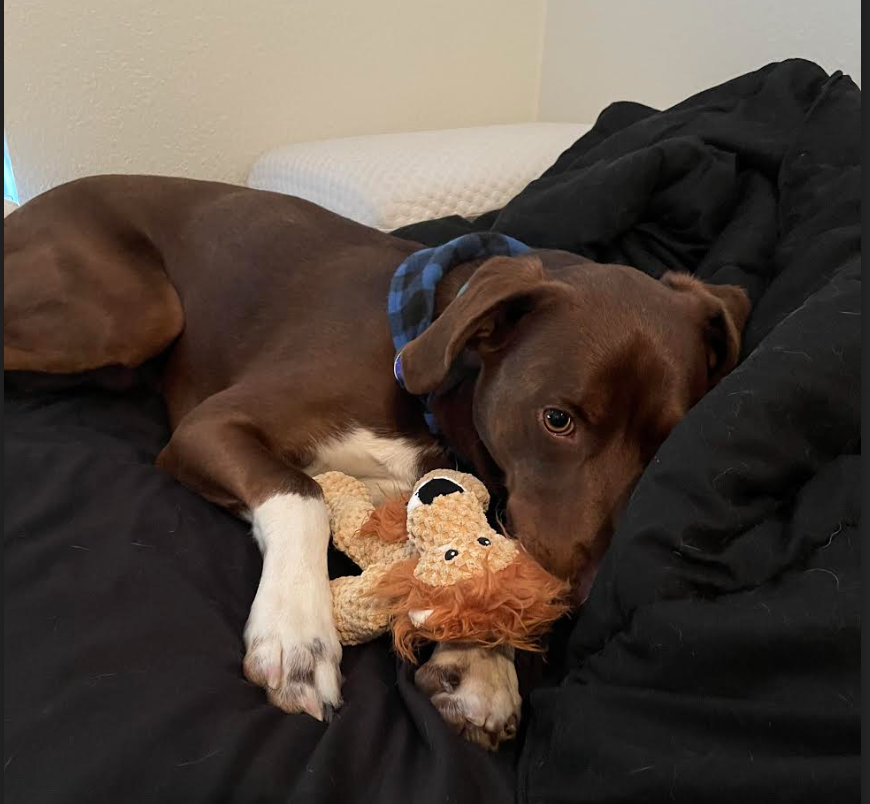
When we met Rio, he had the look and characteristics we wanted-an active younger dog with the personality of a giant love bug. Short fur, though not a priority, was exciting to me as I just gained hours of time for not having to vacuum!

He was two-years old, gorgeous, cuddled up to my son, lived with another dog, had all of his shots and vaccines, was neutered, walked well on a leash, lived with a family including a baby, and was labeled a lab mix, a breed we had owned several times and always co-existed with our cats and rabbit without any issues.

We agreed to foster to adopt and much to the fosters’ sadness, Rio hopped in our car happily as we drove away.

While Rio looked great on paper, the dog we brought home was a hot mess. Through no fault of his own, he was a rescue dog who lived the first year and nine months in a shelter.

When a dog isn’t socialized as a young dog or has had a traumatic experience, that fear stays with them.

Rio was very timid and shied away from new events and situations. While “housebroken” at his foster home, he had several accidents at ours. He didn’t follow basic recall and loved to be “chased” when we wanted him to come or drop something or take him for a walk.

Worst of all, Rio chased our rabbit and cats at first. Upon looking at him more carefully and watching his habits, we believe we had indeed just brought home a hound dog, whose very love is following the scent of prey!

Three Days, Three Weeks, Three Months-Tips to Dog Adjustment in a New Home

Behaviorists like to share their tips about having a new dog come into your home with the 3-3-3 rule.

Three days-give the dog three days to decompress and settle into your new home. Life in a new home is full of excitement! Think of going on vacation-for most people, it takes us a good few days to settle in and enjoy our time away from our every day life. A dog is no exception.

Three weeks- by three weeks, a dog’s routine is fairly adjusted to yours.

Three months- at this milestone, the dog learns to bond and trust you. He accepts that he is part of the family, and the honeymoon has begun!

Rio, now Ryder, has just completed his three month milestone, and while he still is a work in progress, he has come so far! He has bonded with my son, which was the most important feature, and has learned to adjust to the cats, not without a few scratches.

Sadly, our Giant Flemish rabbit passed away while in the vet’s care, so that obstacle has been removed.

We also discovered that Ryder has a very playful nature when he is comfortable, so we decided to pay it forward by rescuing a dog off death row.

Ryder’s pal, now Charlie, went from the dog house to the pool house and lives happily on a golf course with a family who loves him enough to promise him a lifetime of love and affection!

We can’t wait for Ryder to become part of the pack of dogs at The Ranch Pet Resort’s doggies daycare or boarding. He will definitely be signed up for our Stay and Train Dog Obedience Program.

Stay and Play at The Ranch Pet Resort and Spa

If you have a new dog or an old dog, we would love to have you visit The Ranch Pet Resort and Spa.

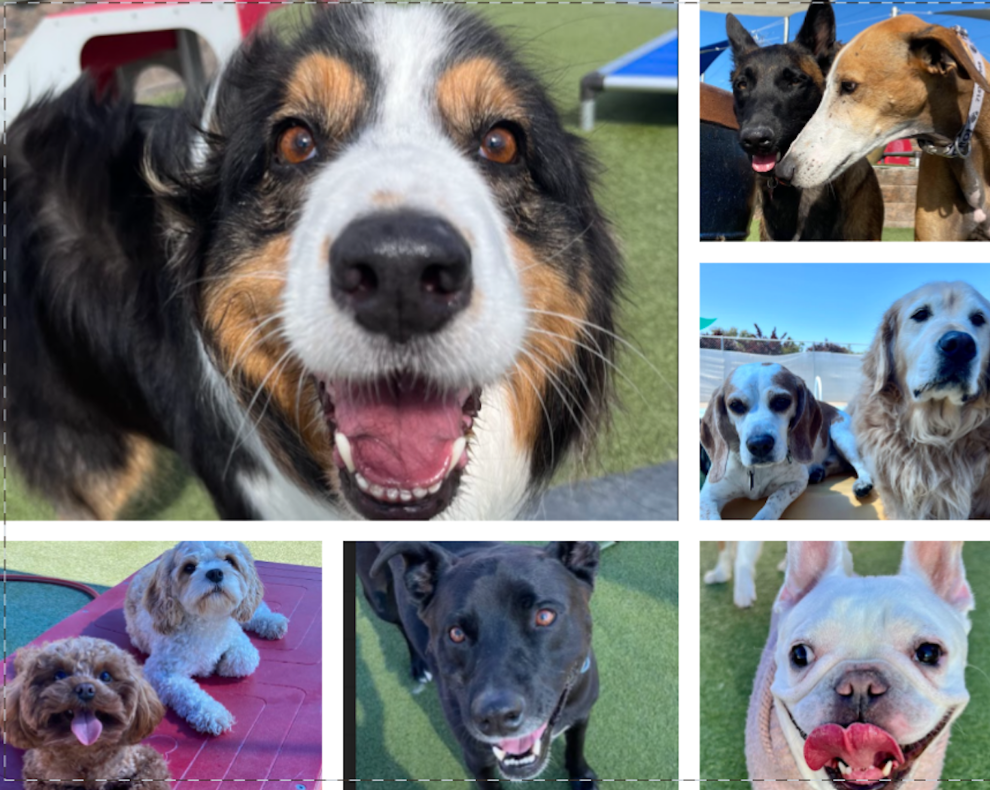
The Ranch Pet Resort & Spa is a pet destination like no other, and we’re located in the heart of California wine country. A beautiful setting, fresh air, luxury dog and cat lodging, exciting dog daycare in our one-of-a-kind playground, and full-service grooming await lucky pets.

And if that wasn’t enough, we even have a state-of-the-art doggie water park! A trusted name in pet care since 1947.

Filed Under: Dog Care, Pet Care Tagged With: dog obedience, dog training, introducing a new dog, new dog

  • « Go to Previous Page
  • Page 1
  • Page 2
  • Page 3
  • Page 4
  • Page 5
  • Page 6
  • Go to Next Page »

Primary Sidebar

Recent Posts

  • 2026 Halloween Party was a Huge Hit!
  • Howl-o-Ween Pawty is Thursday! Sign Up Today!
  • 4 Easy Fall Dog Treat Recipes Your Pup Will Love
  • Does Your Cat Get Bored? How to Keep Your Indoor Cat Happy
  • Rescue Dogs: Big Hearts, Happy Tails & Second Chances

Dog Boarding

Our exclusive brand new pet resort means you never worry about boarding your pet!
Click Here

Dog Daycare

Playdates have never been more fun than at Dog Daycare!
Click Here

Footer

Contact Info

Address
4964 Tesla Rd.
Livermore, Ca 94550

Phone: (925) 447-1729

Email:
info@theranchpetresort.com

Hours of Operation

Mon – Fri : 7:00am – 7:00pm
Sat: 9:00am – 3:00pm
Sun: Closed

Holiday Hours

Unlike other pet care options, come rain or shine, 365 days a year, we have staff here caring for our furry guests in our state-of-the-art, secure facility.

Newsletter

Stay up-to-date with events and announcements!

Copyright © 2026 The Ranch Pet Resort
FacebookInstagram
LocationPrivacyTermsContact

This website uses cookies to ensure you get the best experience on our website. Cookie Policy

Opt-Out Request Honored. Your browser’s Global Privacy Control signal has switched Advertising off.

Your Privacy Choices

Choose how this site may use cookies and similar technologies, and whether information about your visit may be sold or shared for advertising. Everything is on unless you switch it off, and you can change your choices at any time. Cookie Policy

Do Not Sell or Share My Personal Information

Under California privacy law you can opt out of the sale or sharing of your personal information. To opt out on this browser, switch Advertising off and save, or choose Decline all. We also honor Global Privacy Control signals automatically.

Essential

Needed for the site to work: security, page navigation, and remembering your privacy choices. Always on.

Analytics

Help us understand how visitors use the site so we can improve it.

Advertising

Sharing information about your visit with advertising partners to measure our ads and show you more relevant ones. This is the sale or sharing of personal information that you can opt out of.

Opt-Out Request Honored. Your browser’s Global Privacy Control signal keeps Advertising off.

Functional

Remember your settings and power extras such as embedded video, maps, and chat.

Your Privacy ChoicesCalifornia Consumer Privacy Act (CCPA) Opt-Out Icon Opt-Out Request Honored