
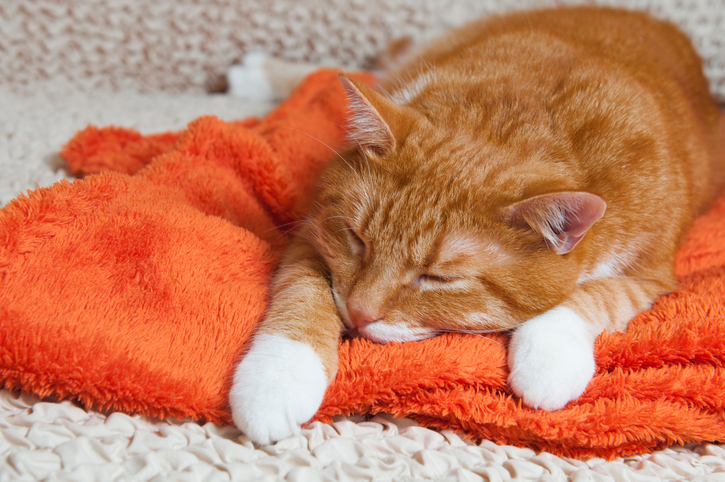
Last night, I experienced something that every pet owner fears.
My older cats was sitting on my lap when his body began to twitch. One of his legs went limp. He collapsed against me. His heart was racing. His pupils were wide and dark. Then he just stared — almost through me.
I held him and stayed still until he slowly returned to himself.
If you’ve never witnessed a seizure in a cat, it is terrifying. And if you have, you know how helpless it feels.
What a Seizure in a Cat Can Look Like
Seizures in cats don’t always look dramatic. They can include:
- Sudden twitching or jerking
- Limp or rigid limbs
- Collapse
- Dilated pupils
- Rapid heartbeat
- Staring or seeming “absent”
- Confusion afterward
Some seizures last seconds. Some last longer. Many cats appear disoriented after but then return to normal.
That return to “normal” can make owners question what just happened.
Why Would a Cat Have a Seizure?
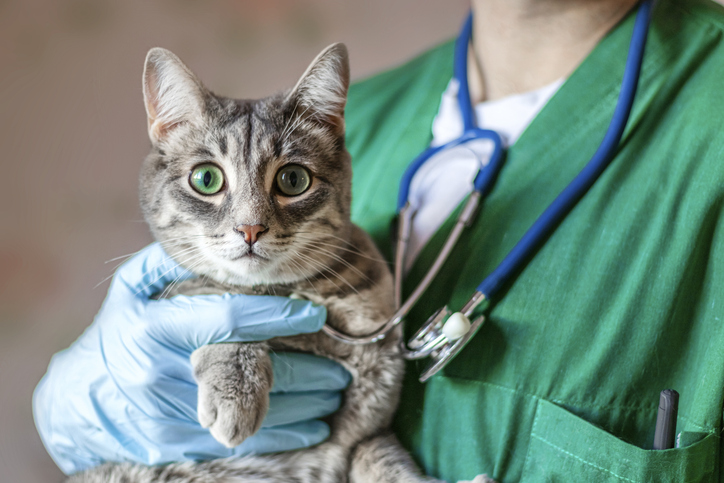
Seizures are not a disease — they are a symptom. Something is triggering abnormal electrical activity in the brain.
Common causes can include:
- Low blood sugar
- Liver or kidney disease
- Toxin exposure (household cleaners, plants, flea medications)
- Head trauma
- Brain inflammation
- Epilepsy
- Severe stress
- Malnutrition or weight loss
- Metabolic imbalances
- Underlying infection
In my case, weight loss, vomiting, and stress were already signals that something wasn’t right. The seizure wasn’t random — it may have been the escalation of something ongoing.
When a Cat Is Thin and Vomiting
If a cat is losing weight and vomiting regularly, veterinarians often investigate:
- Hyperthyroidism
- Gastrointestinal disease
- Food intolerance
- Pancreatitis
- Intestinal parasites
- Chronic kidney disease
- Stress-related digestive issues
Weight loss combined with seizures can point to metabolic or systemic causes that require lab work.
Stress Is Not “Just Stress”
Chronic stress in cats is serious.
If a dog is chasing, stalking, or intimidating a cat, even playfully, it can elevate stress hormones long-term. Chronic stress can affect appetite, immune function, digestion, and neurological stability.
Cats are highly sensitive to their environment. What looks manageable to us may feel threatening to them. In my case, Turkey had just moved twice in six months, had company, had to share his living quarters with a dog, and taken a long car ride from one state to the next.
While he has always been on the thin side, his bonier than usual appearance had me concerned. The seizure was the tipping point.
What To Do If Your Cat Has a Seizure
- Stay calm.
- Do not put your hands near their mouth.
- Remove nearby objects so they don’t injure themselves.
- Time the seizure.
- Keep the room quiet and dim.
- Call your veterinarian.
If a seizure lasts more than 2–3 minutes, or if multiple seizures occur close together, it is considered an emergency.
Even if your cat seems fine afterward, a veterinary exam and bloodwork are essential. Luckily, I was holding Turkey at the time and able to feel his heartbeat, watch his eyes, and measure how long he needed to recover, which will help our vet determine the root of the seizure.
Steps to Help Prevent Future Seizures
Prevention depends on identifying the cause. That usually involves:
- Full physical exam
- Blood panel
- Thyroid testing
- Kidney and liver evaluation
- Blood glucose check
- Possibly imaging (if needed)
At home, you can:
- Reduce environmental stress (separate dog and cat spaces)
- Provide vertical safe zones
- Monitor eating and vomiting patterns
- Weigh your cat weekly
- Eliminate potential toxins
- Feed consistent, high-quality nutrition
- Keep a log of any unusual behavior
If seizures recur, veterinarians may prescribe anti-seizure medication depending on frequency and severity.
The Most Important Lesson

Subtle changes matter.
Weight loss. Vomiting. Hiding. Behavioral shifts. Stress. These are not “quirks.” They are data.
Your pet cannot tell you something feels wrong. You have to notice.
Last night scared me. But it also reminded me how important it is to trust your instincts and act early.
If your cat is acting oddly, thinner than usual, stressed, or vomiting frequently — don’t wait for something dramatic.
Pay attention.
Document it.
Call your vet.
Because sometimes what looks small… isn’t.